Explore By Area
Explore the Best Attractions in Krakow Old Town
Discover the historic heart of Krakow and explore its most iconic landmarks – from the Main Market Square and St. Mary’s Basilica to the Cloth Hall and hidden medieval streets.
Choose where to start and experience the Old Town at your own pace.
Krakow Old Town – Heart Of The City
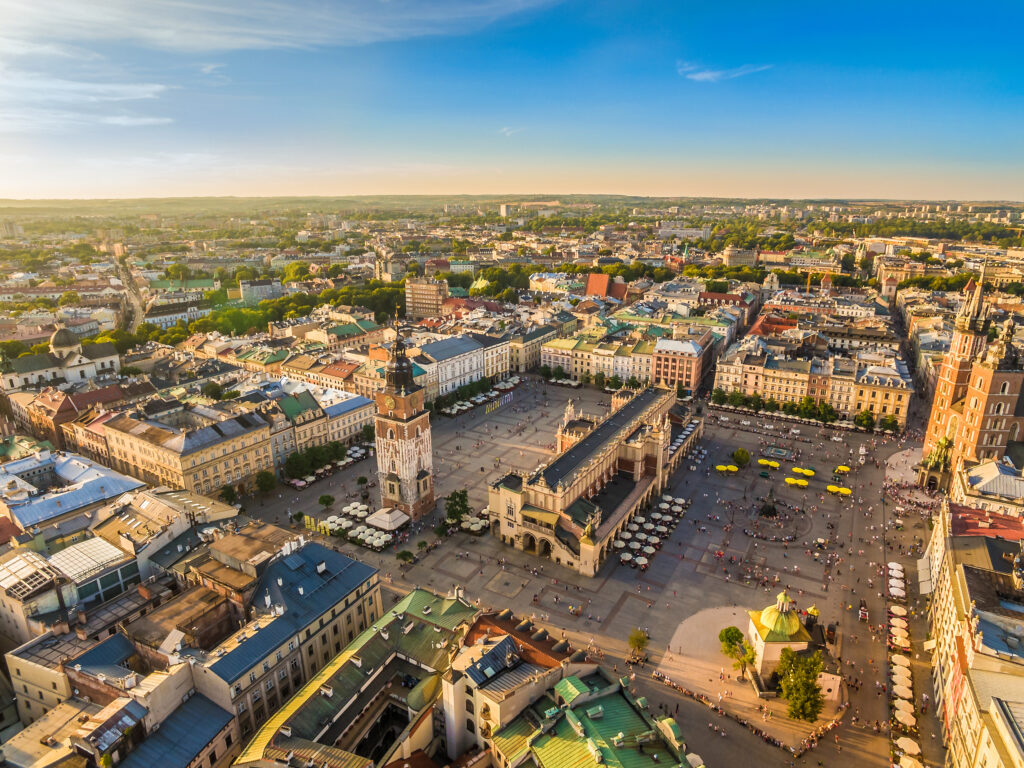
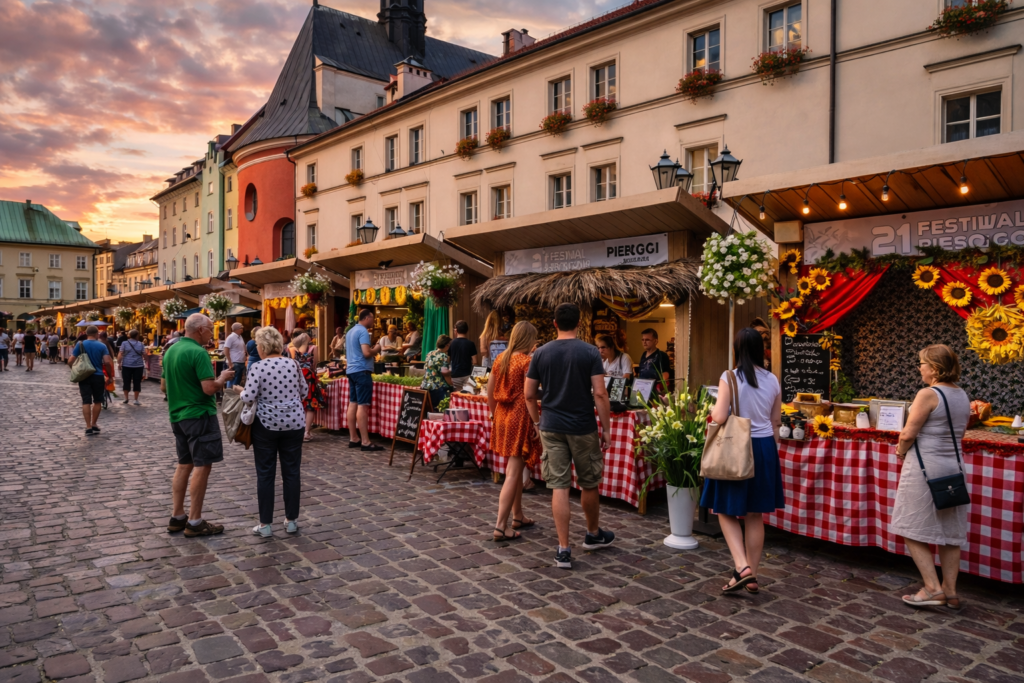
Main Market Square
The heart of Krakow and one of the largest medieval squares in Europe, surrounded by historic buildings, cafés and key landmarks.
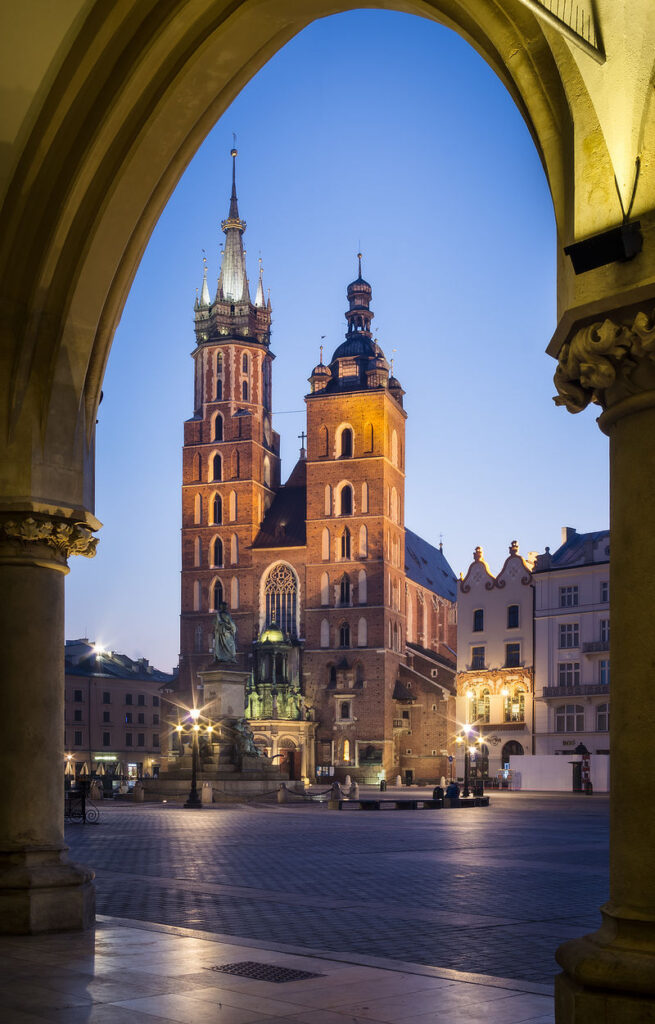
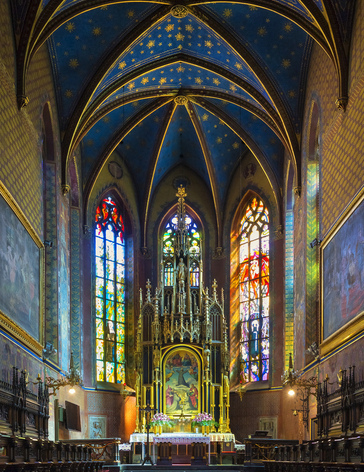
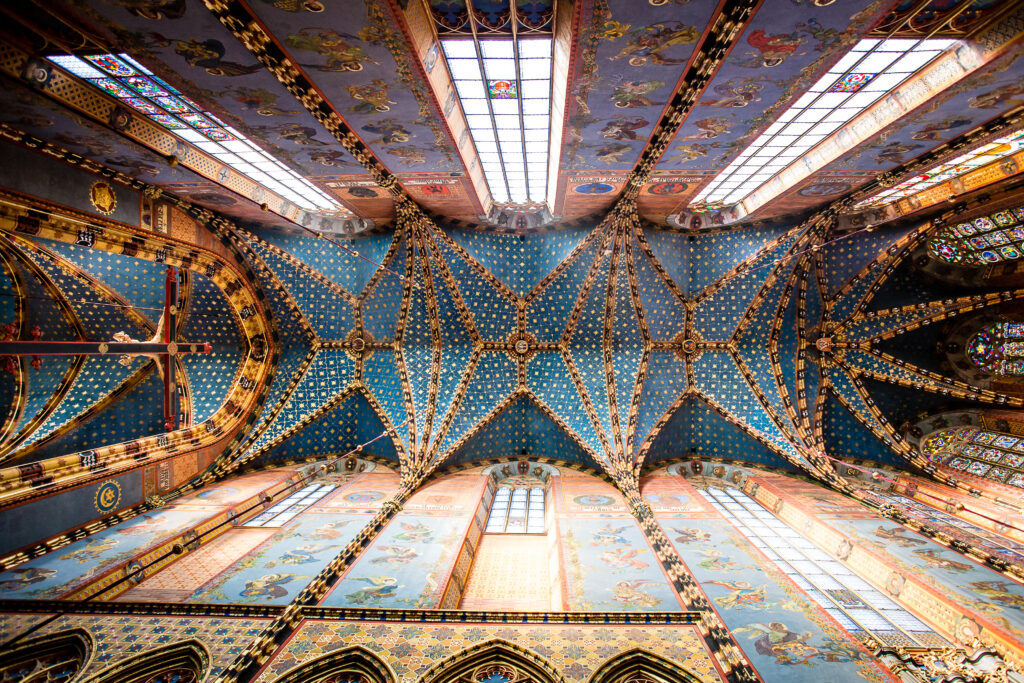
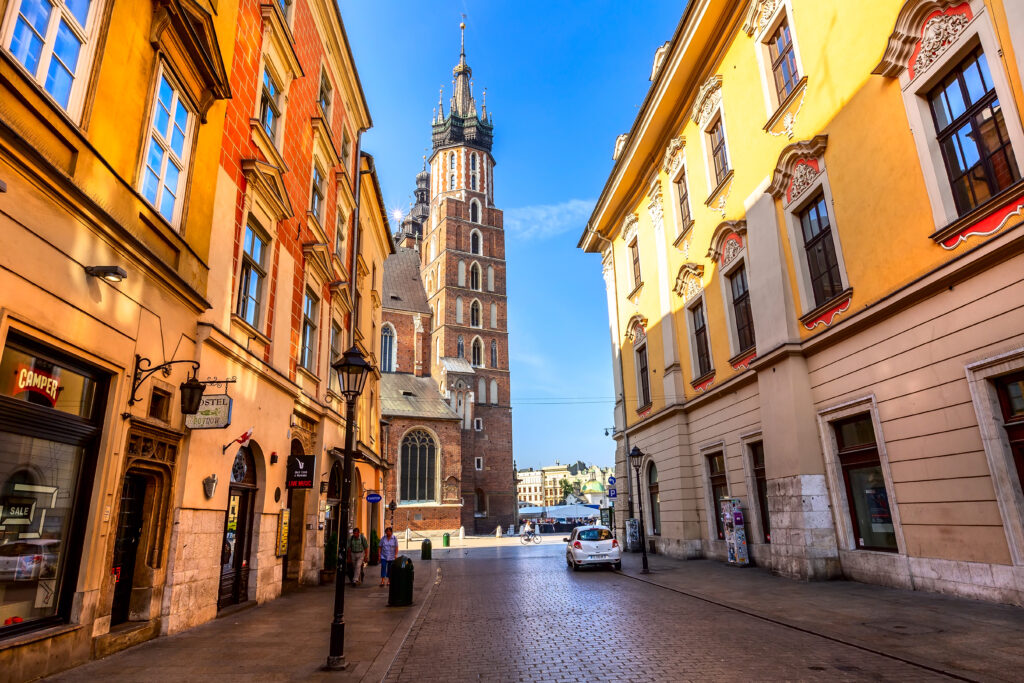
St. Mary’s Basilica
A Gothic church known for its twin towers, the hourly trumpet call and the impressive wooden altarpiece.
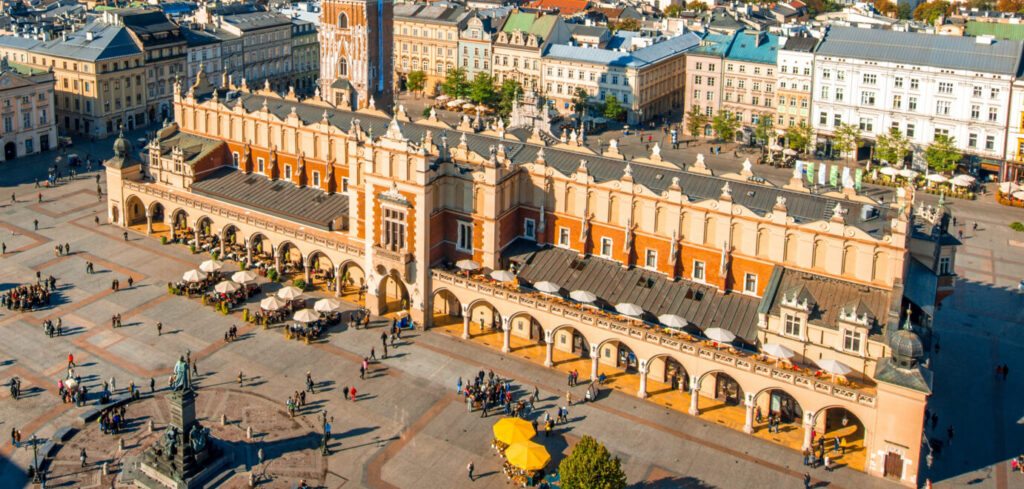
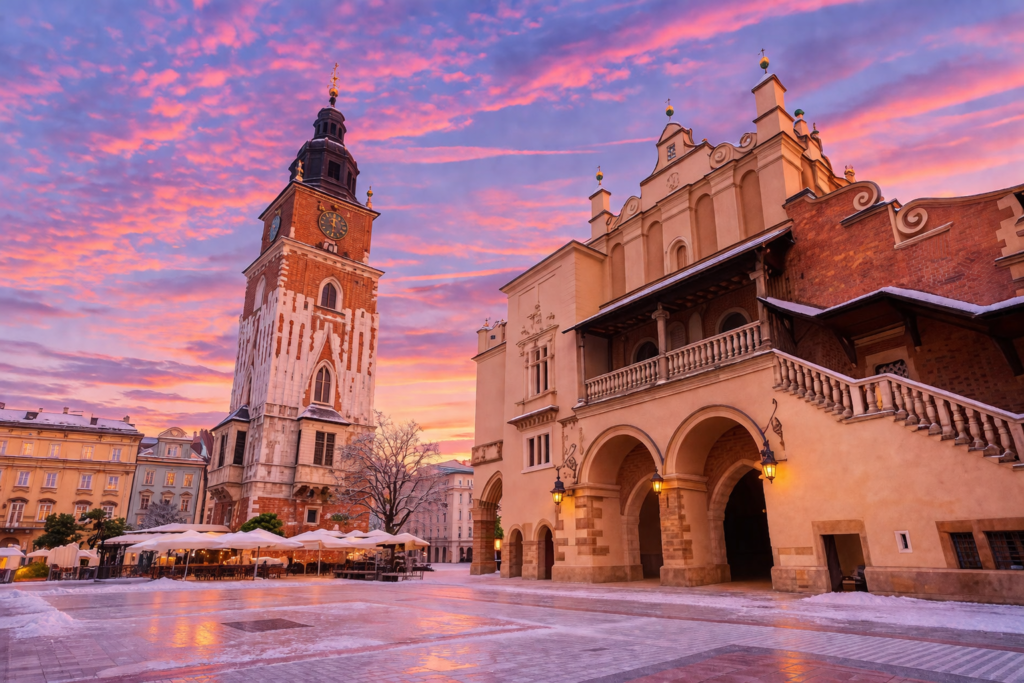
Cloth Hall (Sukiennice)
A historic market hall in the centre of the square, now home to souvenir stalls, local crafts and small galleries.
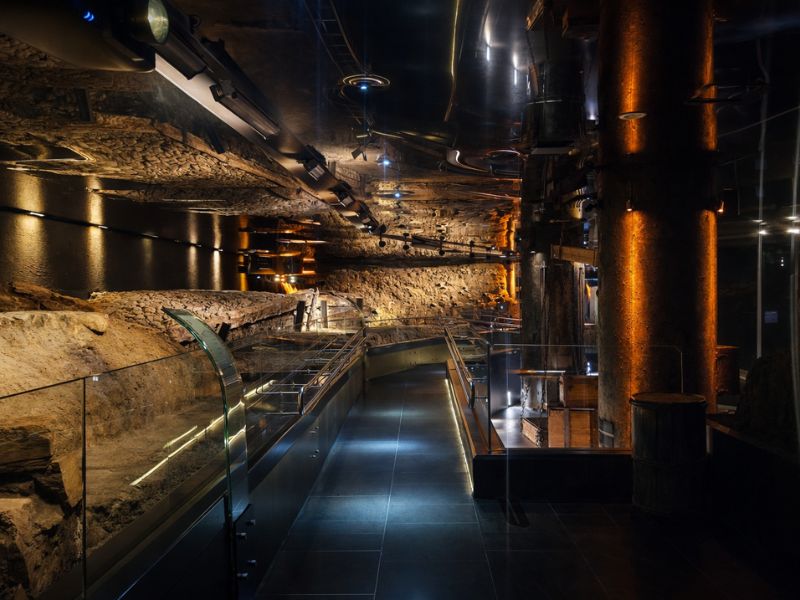
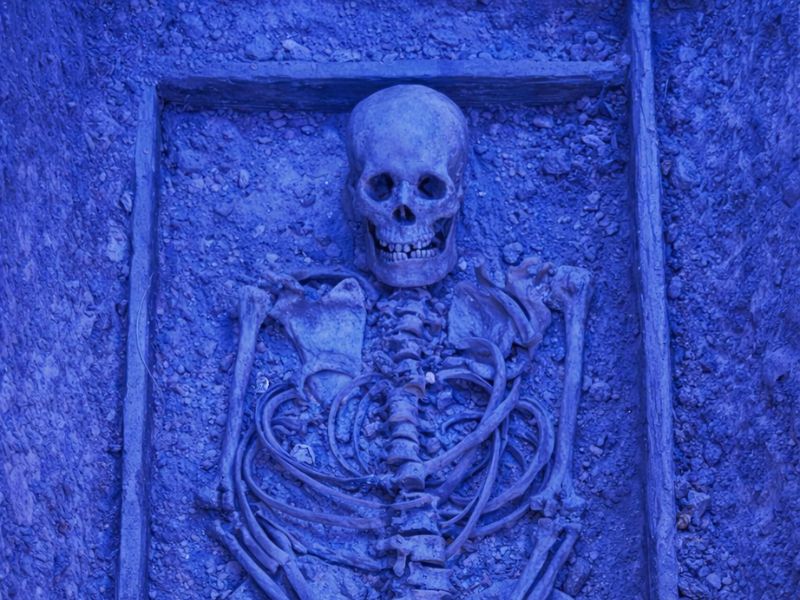
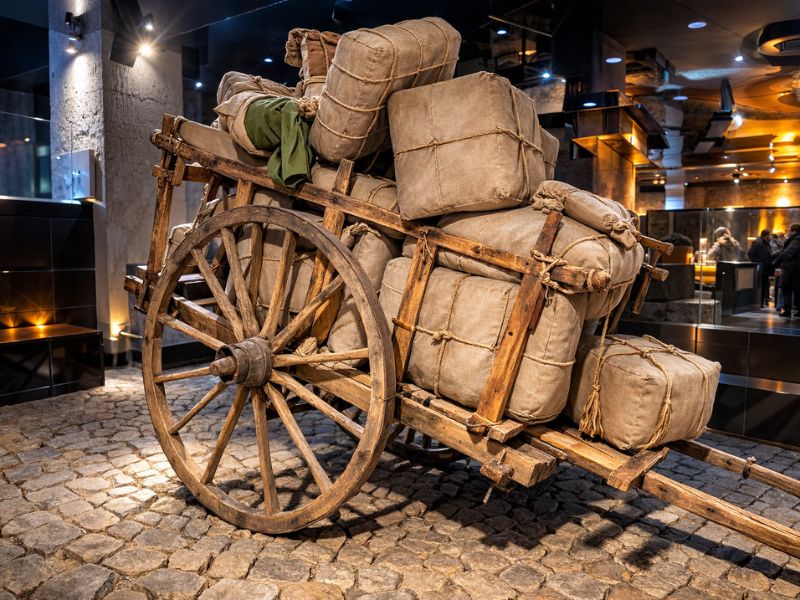
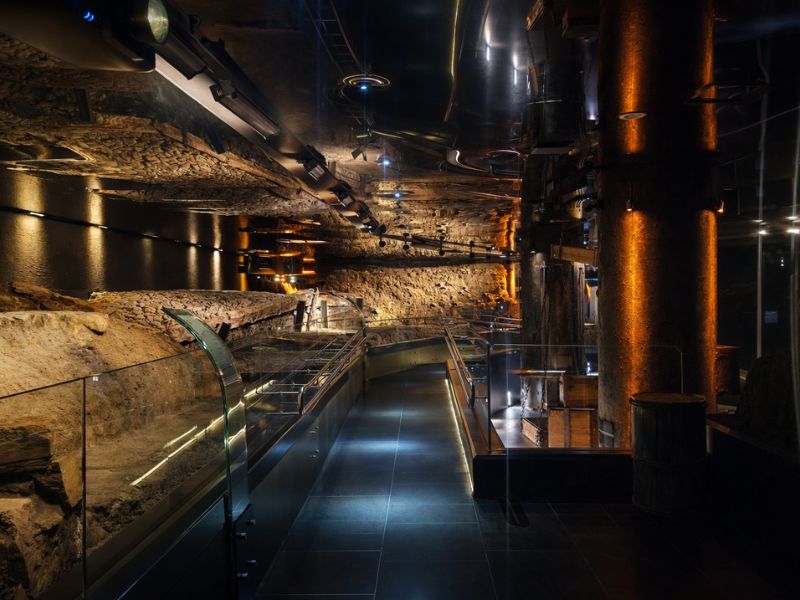
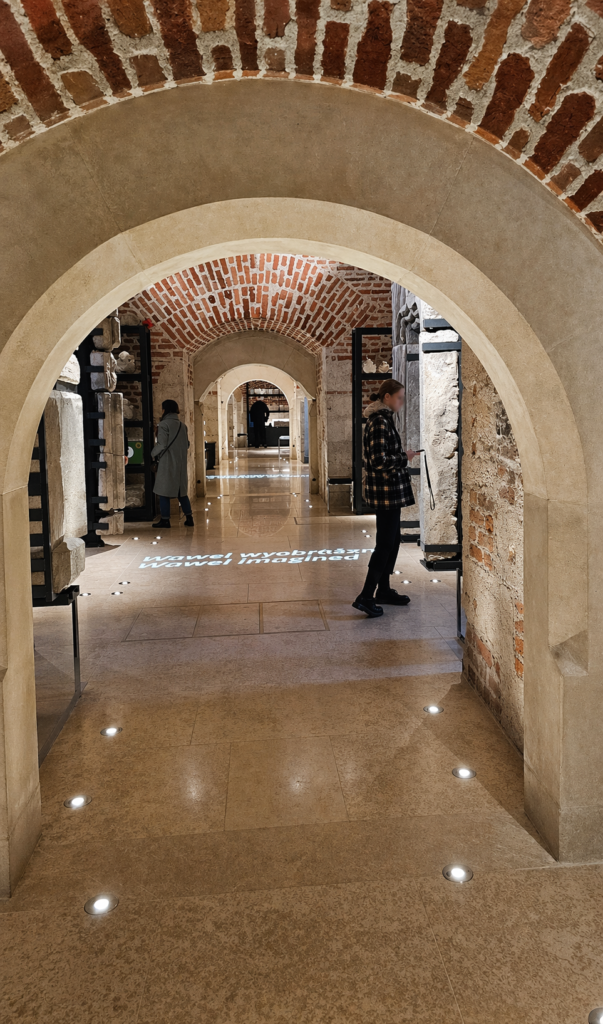
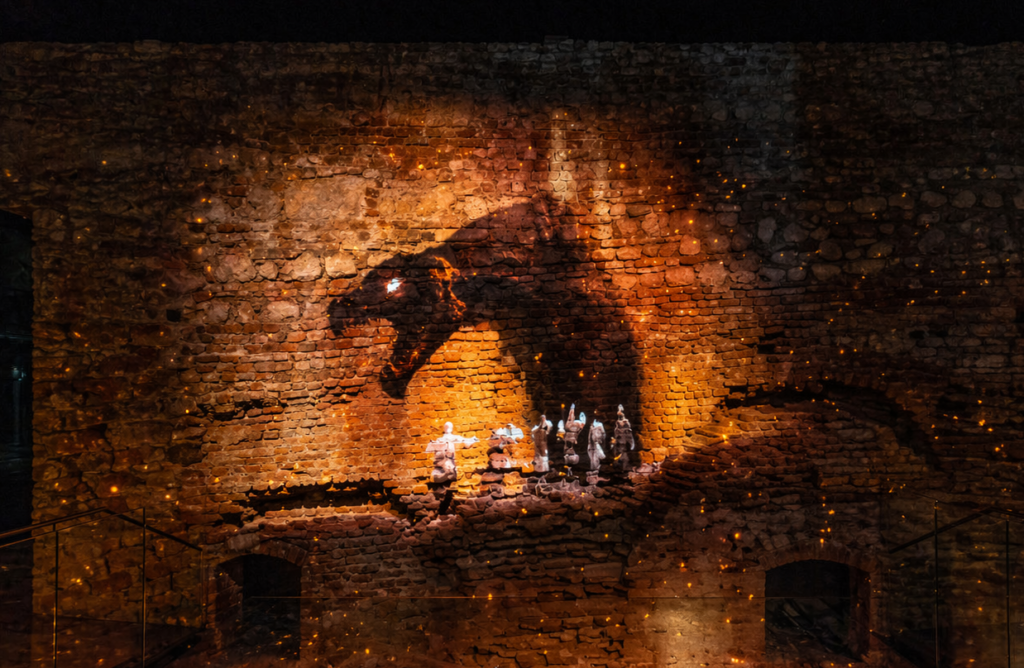
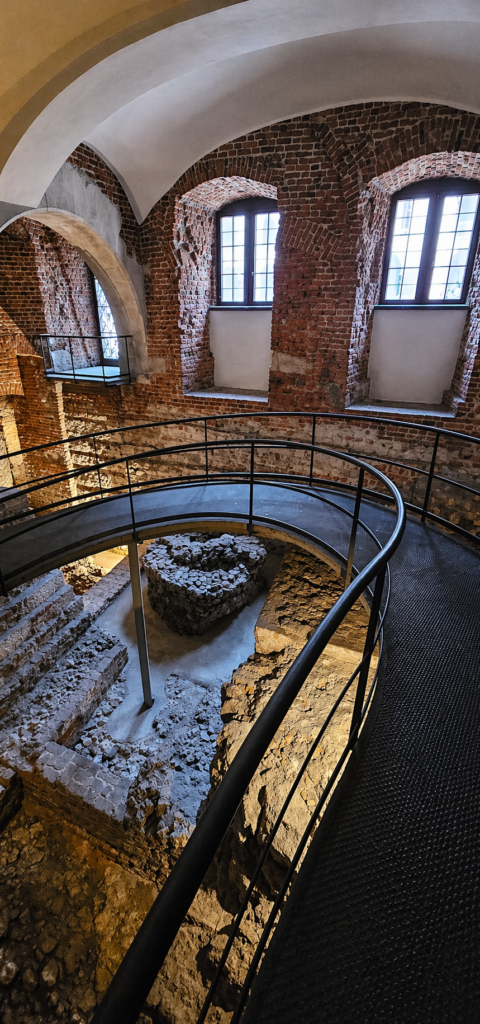
Rynek Underground Museum
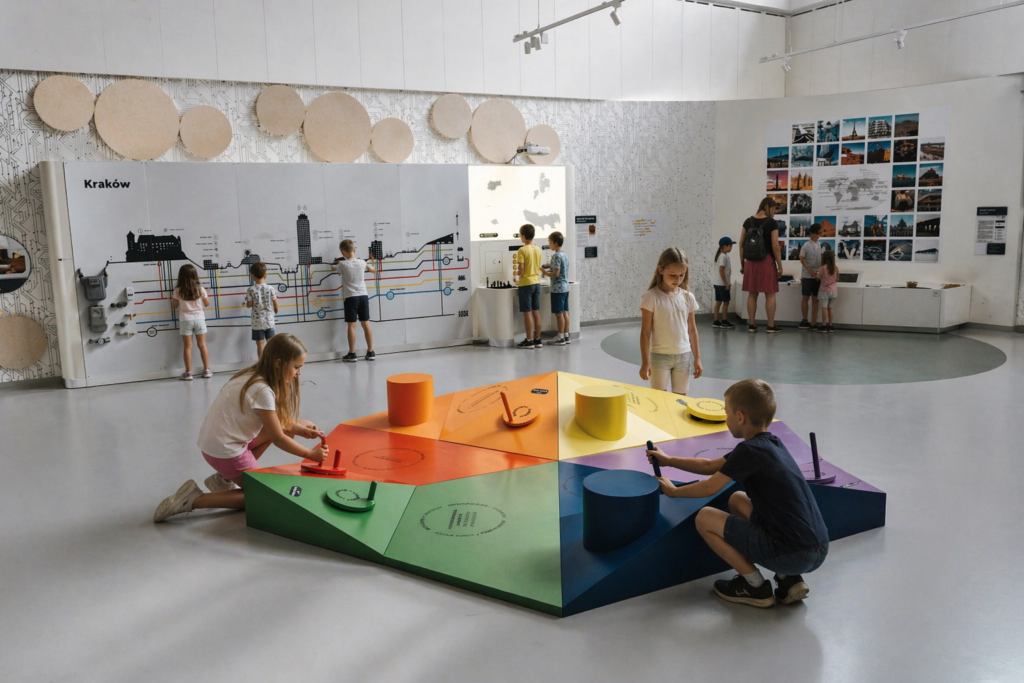
An underground museum beneath the square, presenting Krakow through archaeological remains and interactive displays.
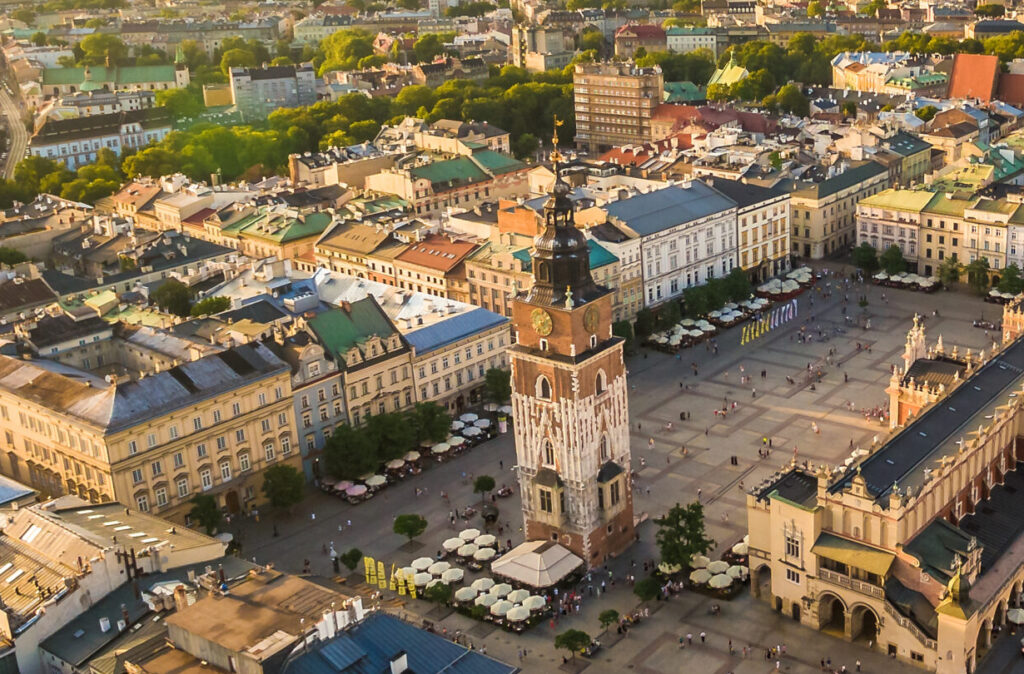
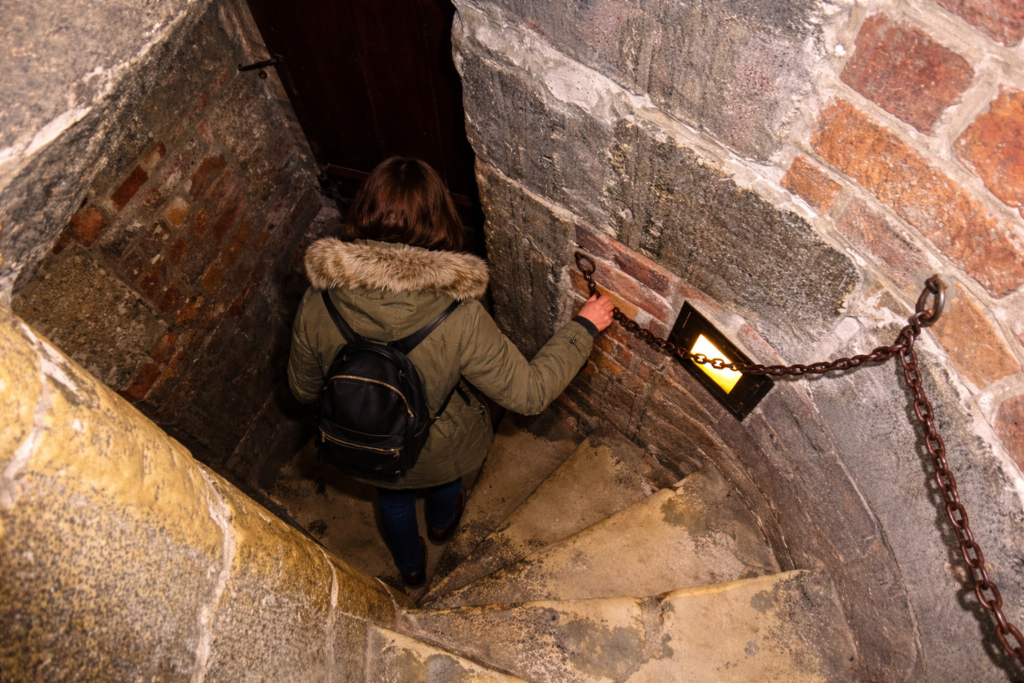
Town Hall Tower
The only remaining part of the old Town Hall, offering a unique viewpoint over the Main Square and surrounding streets.
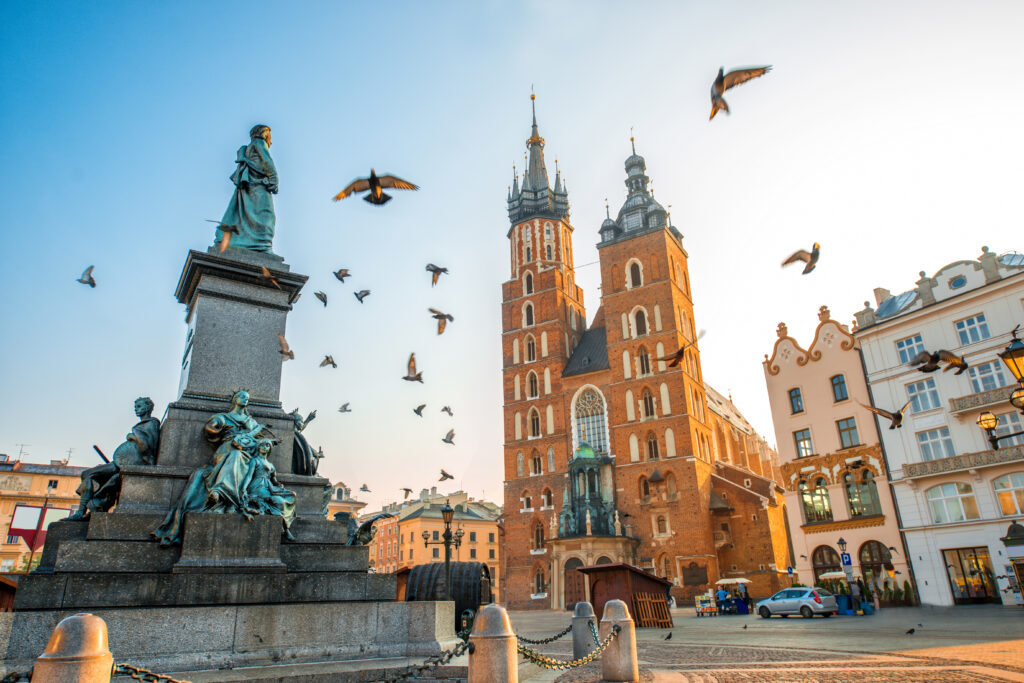
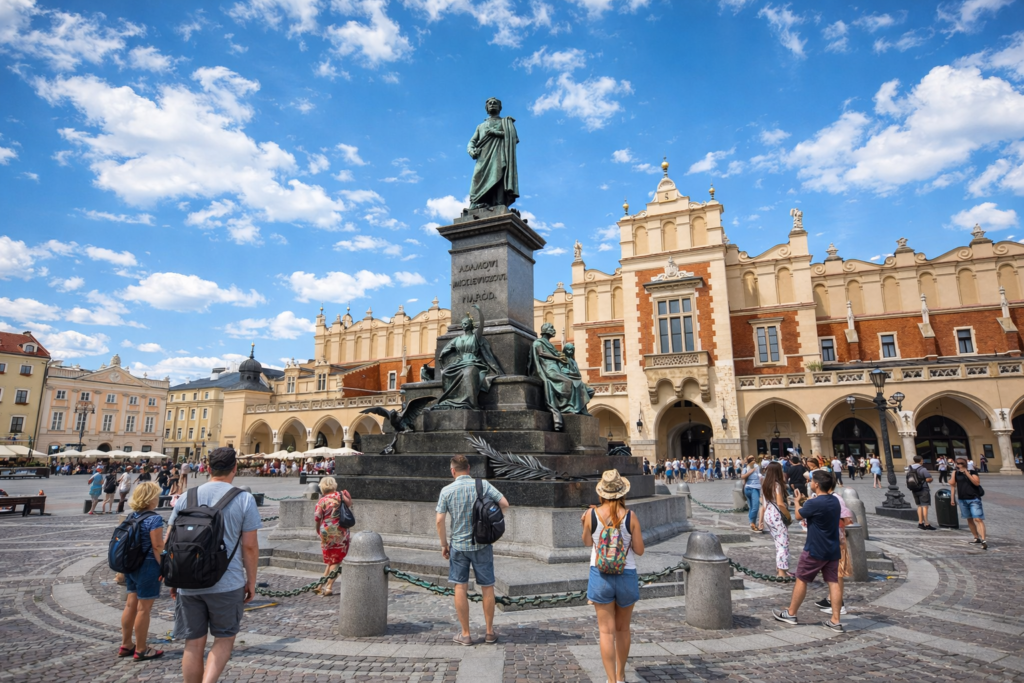
Adam Mickiewicz Monument
A well-known statue in the centre of the square and one of the most popular meeting points in Krakow.
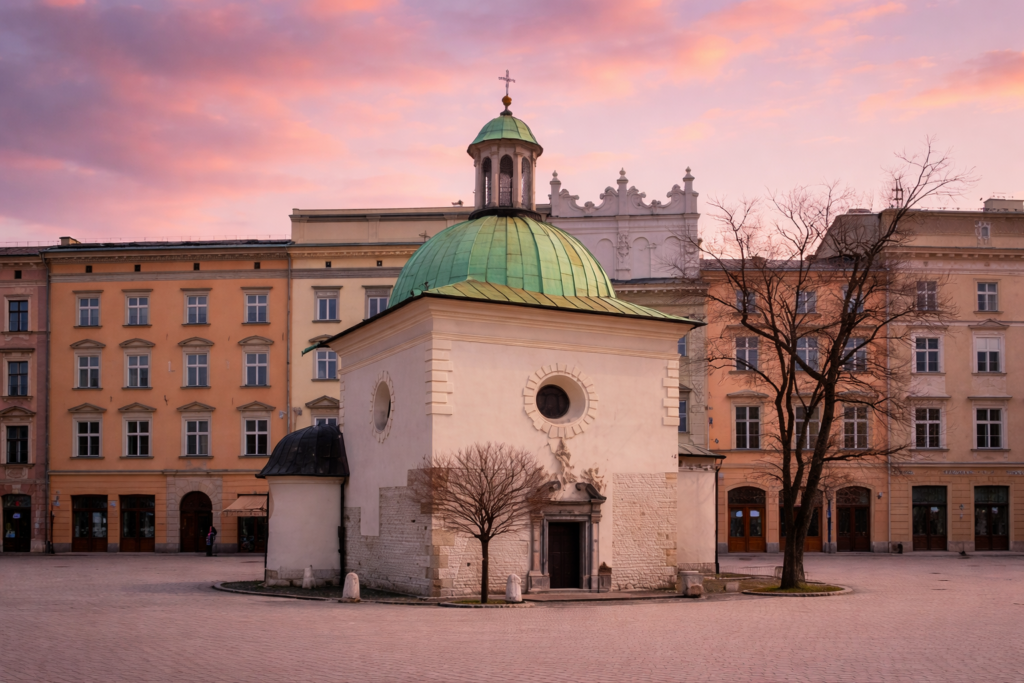
St. Adalbert’s Church
A small historic church located on the Main Square, considered one of the oldest stone buildings in Krakow.
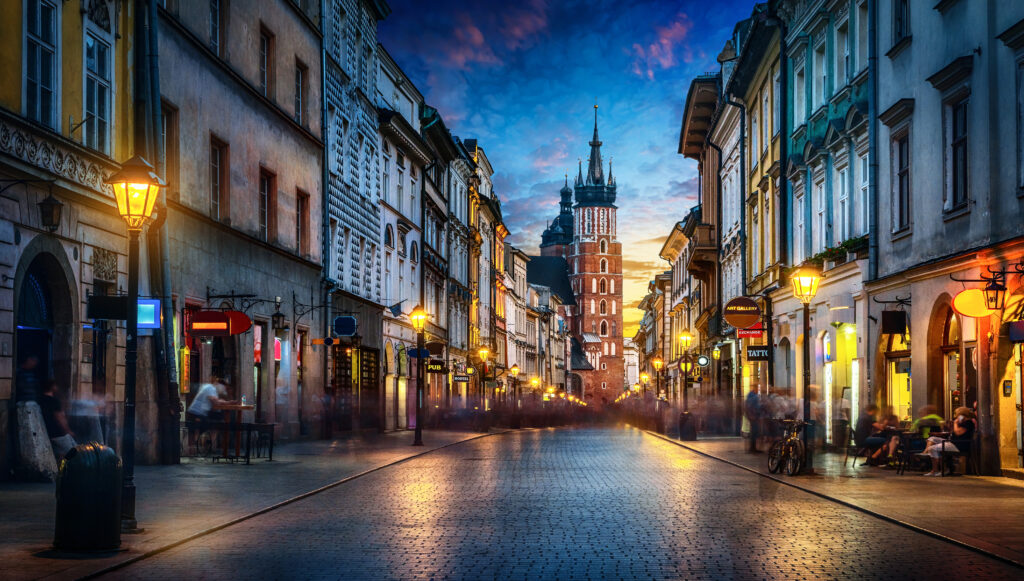
Floriańska Street
A medieval gate that once formed part of the city walls and marked the main entrance to the Old Town.
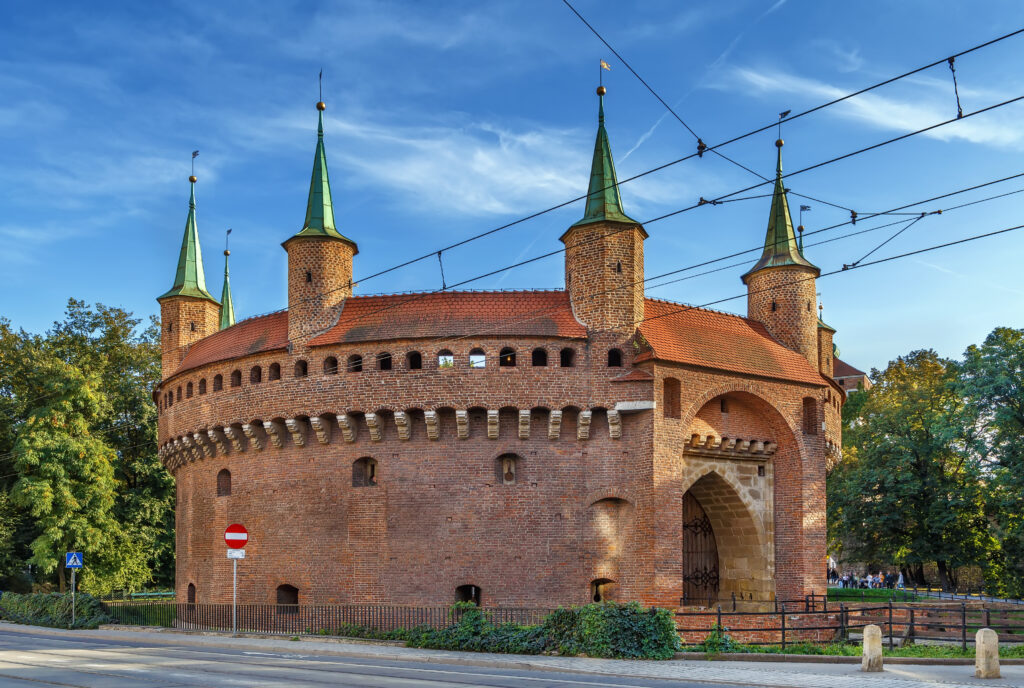
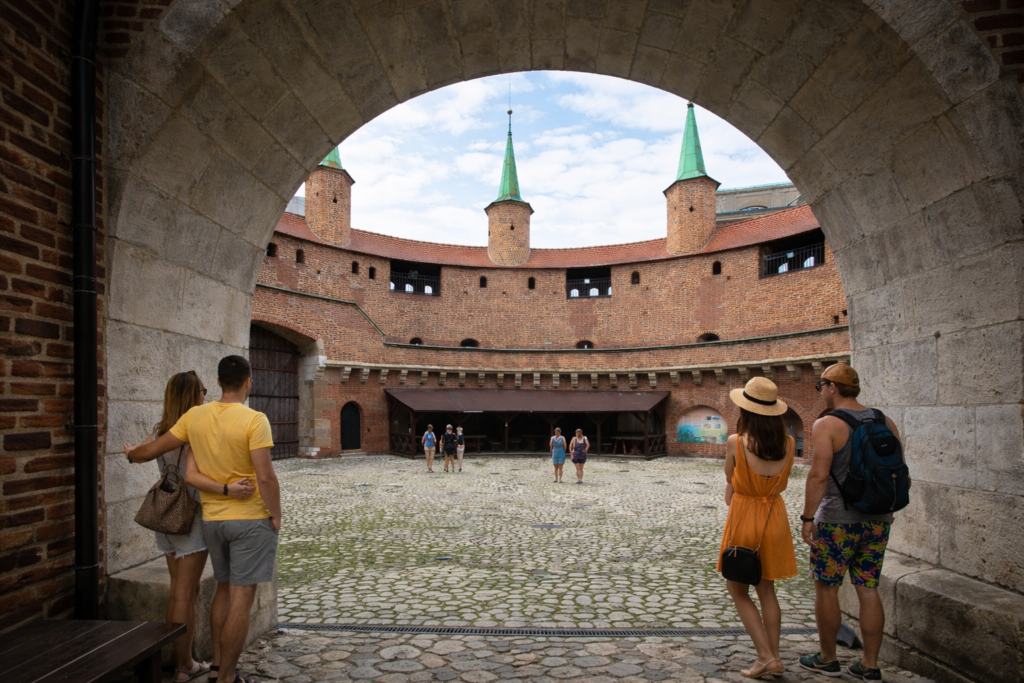
Krakow Barbican
A well-preserved circular fortress built as part of Krakow’s defensive system, located just outside the Old Town.
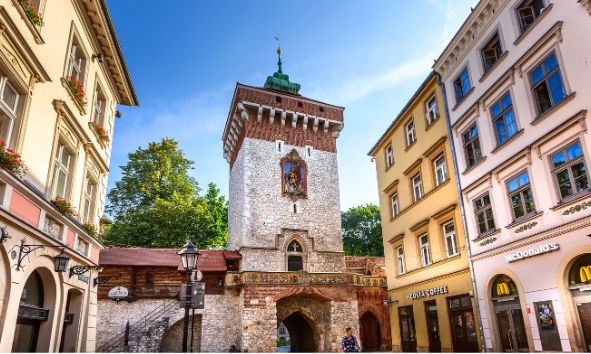
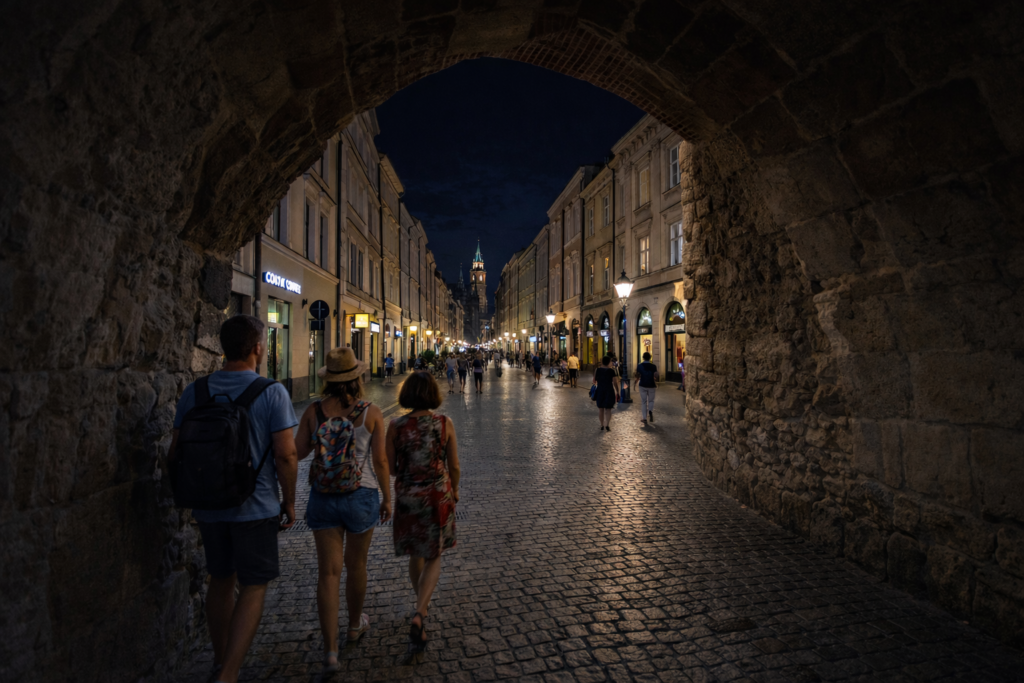
Floriańska Gate
A historic medieval gate marking the northern entrance to Krakow’s Old Town, once part of the city’s defensive walls and now one of its most iconic and well-preserved landmarks.
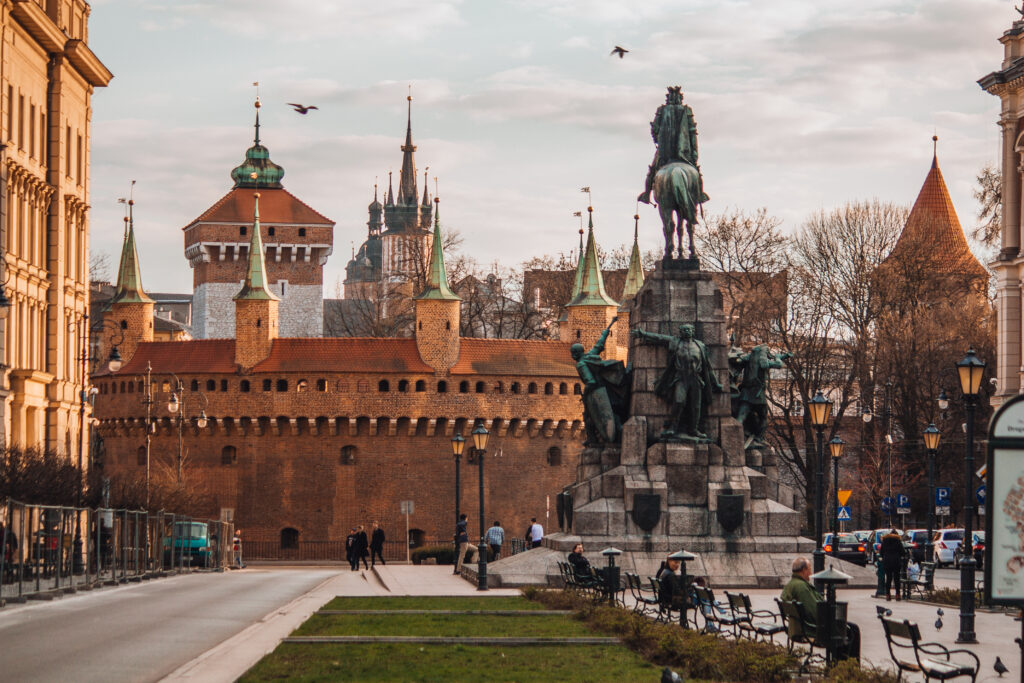
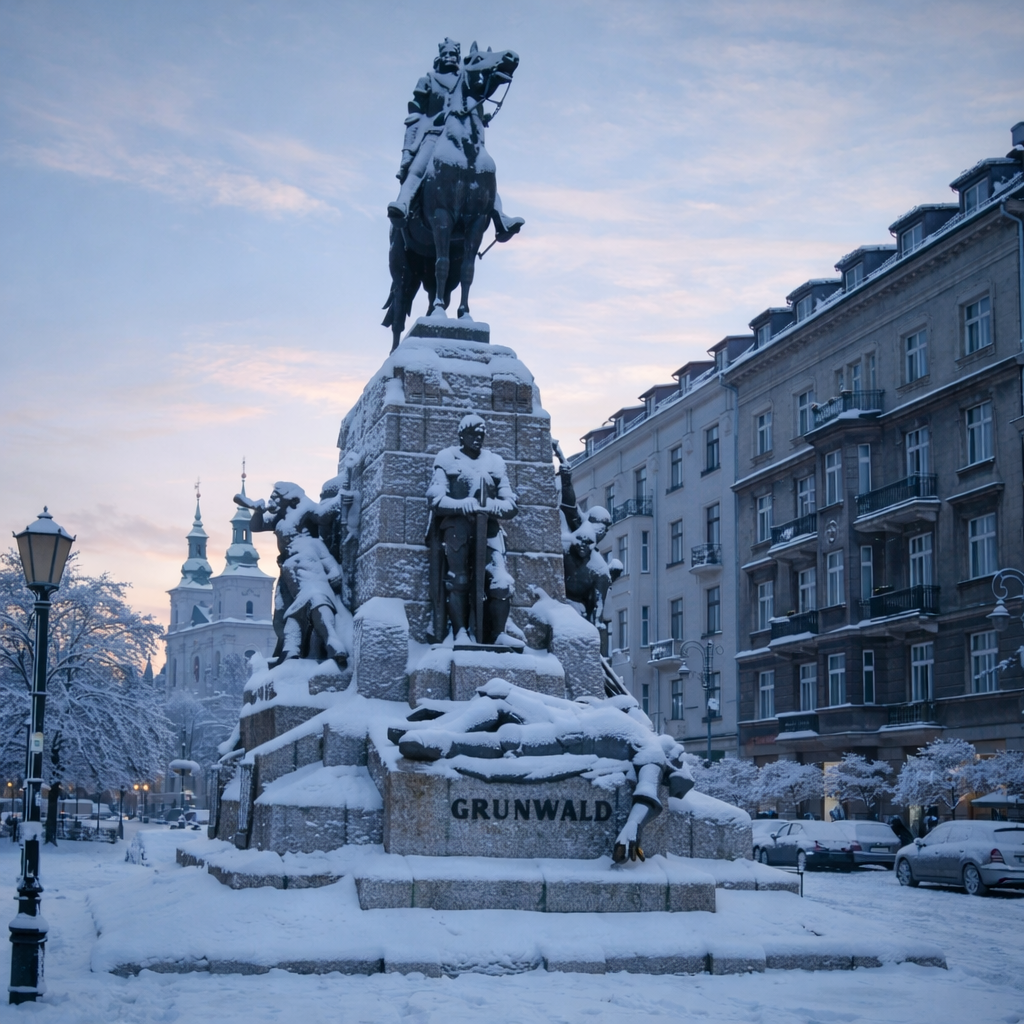
Matejko Square
A spacious square just outside the Old Town, dominated by the striking Grunwald Monument and serving as a symbolic gateway to the historic centre of Krakow.
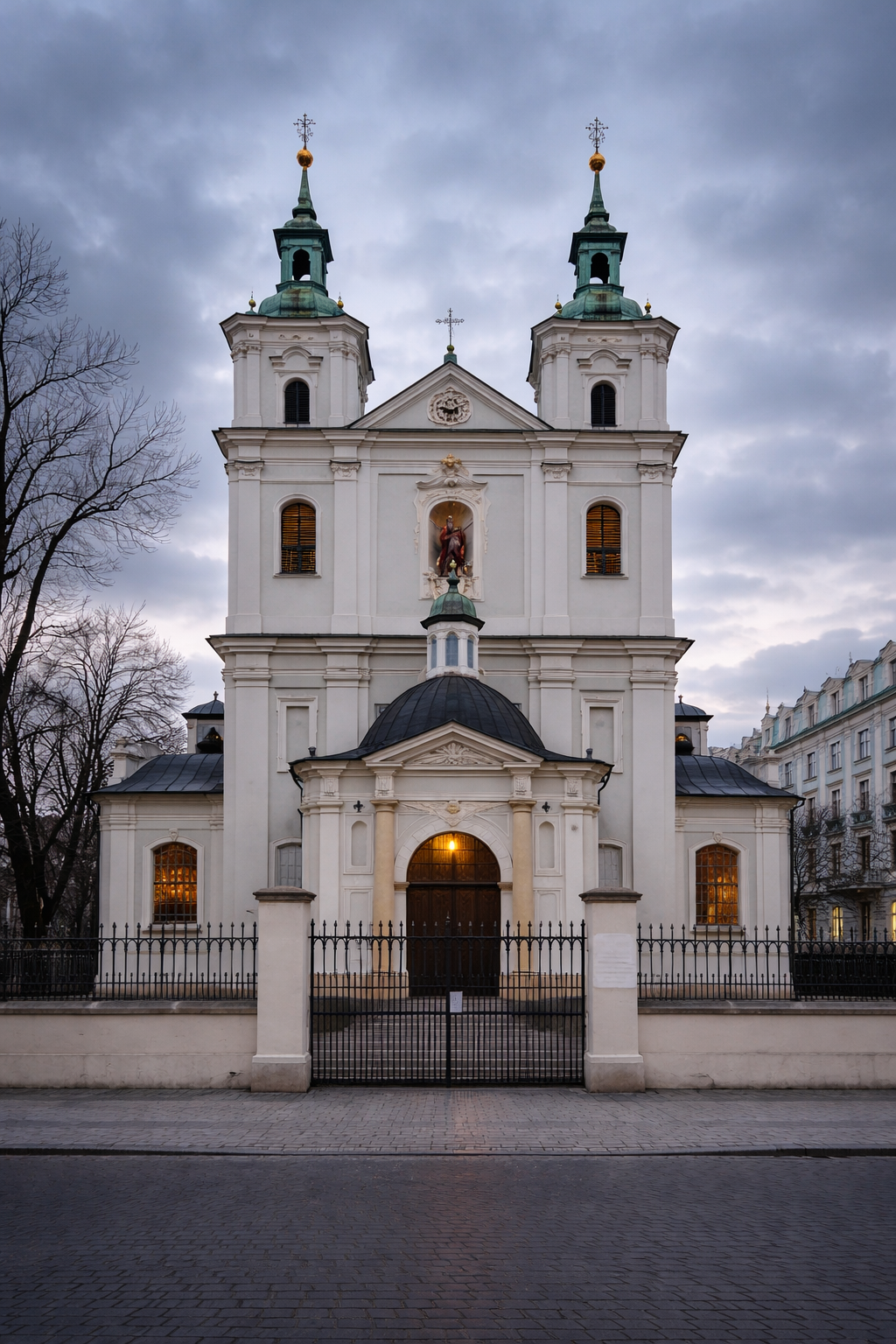
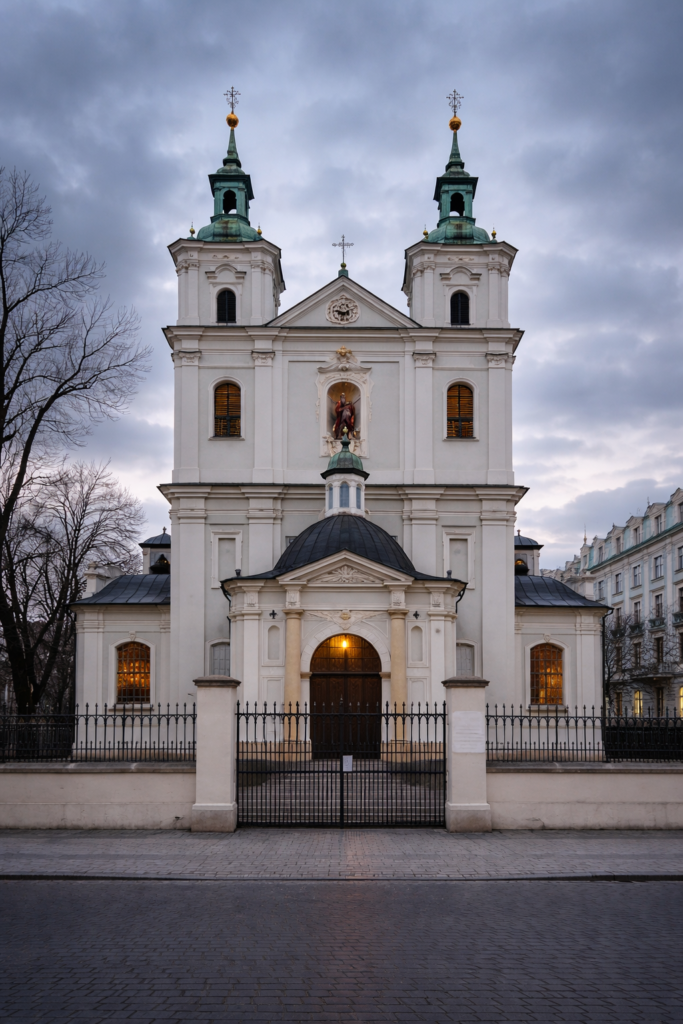
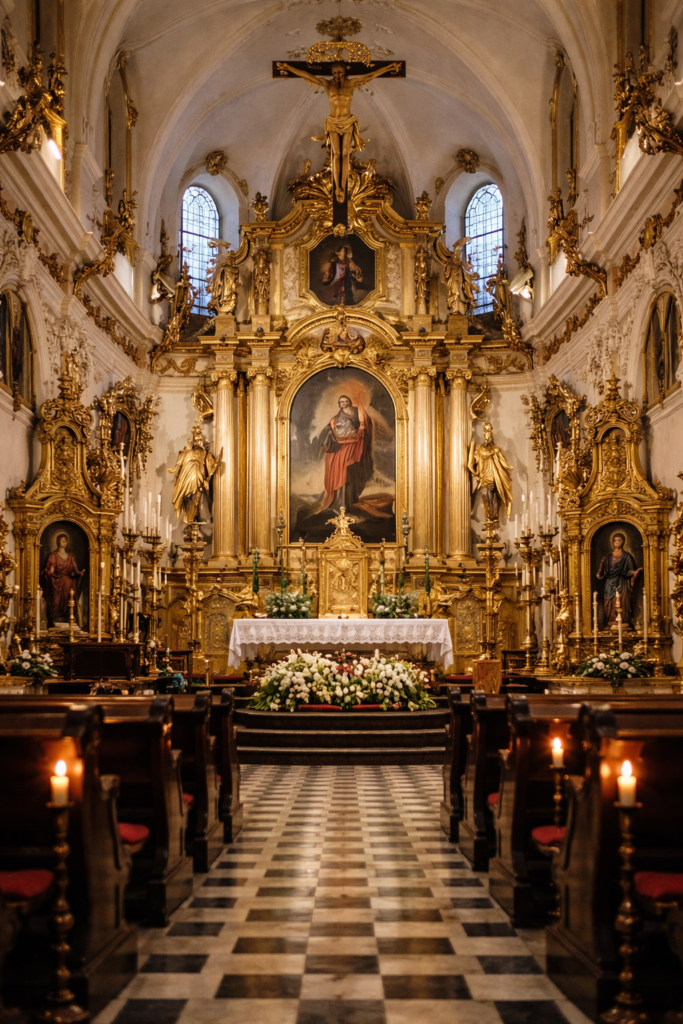
St Florian’s Church
A Baroque church at the end of Floriańska Street, dedicated to the city’s patron saint and historically linked to royal processions entering Krakow.
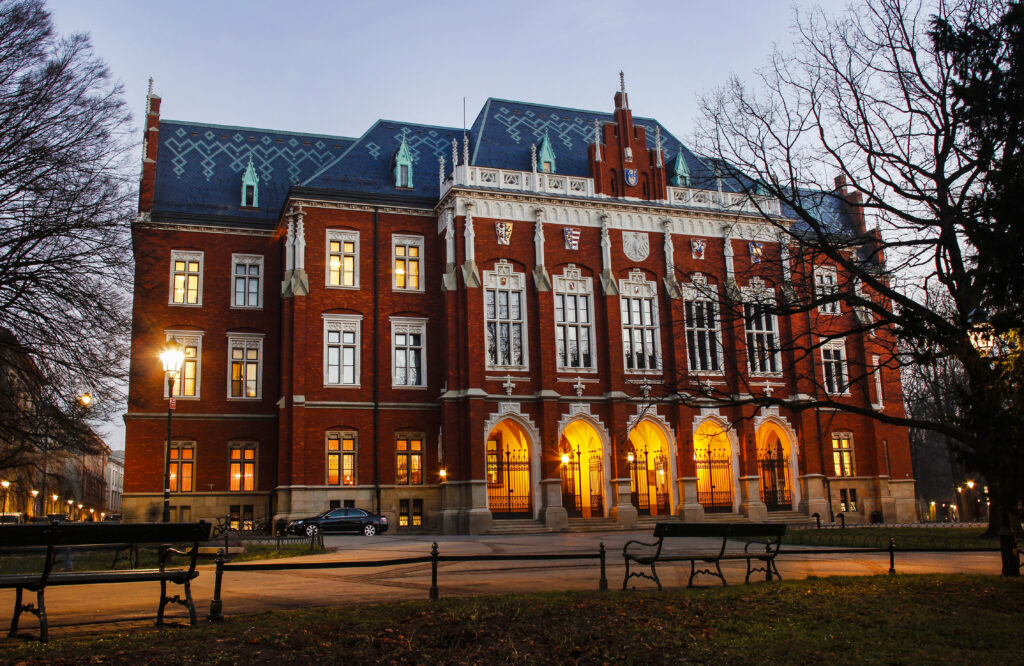
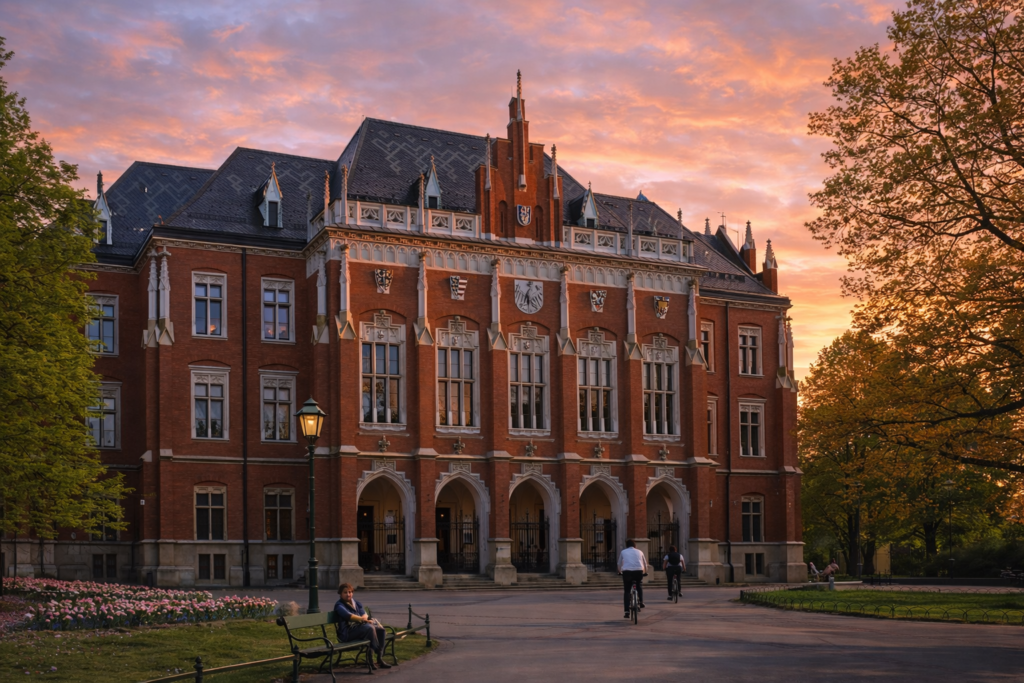
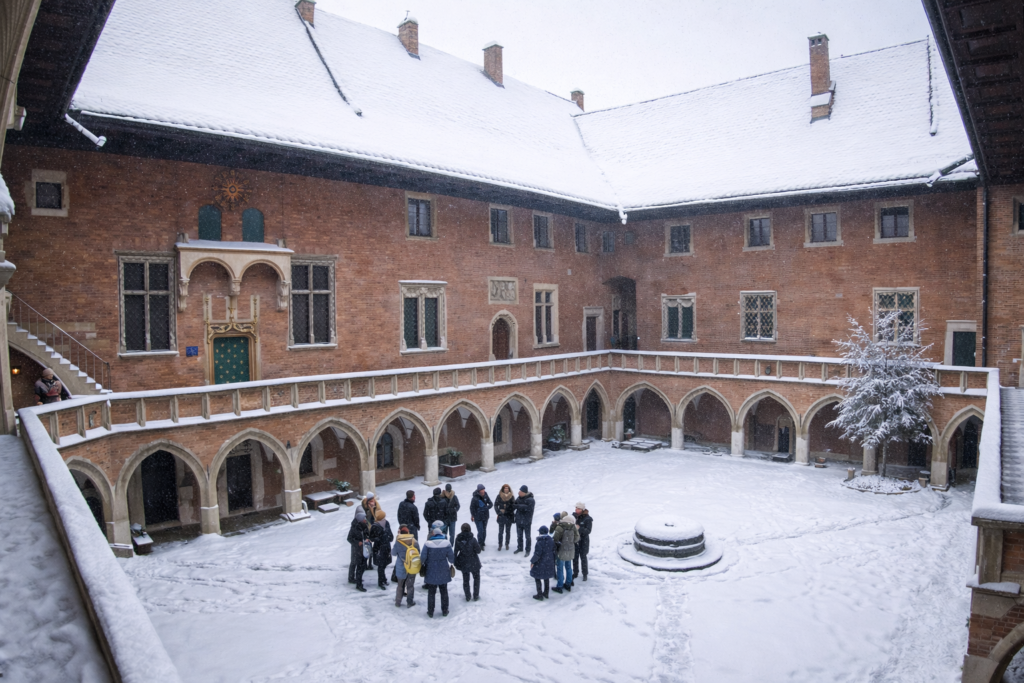
Jagiellonian University (UJ)
One of the oldest universities in Europe, known for its historic buildings, academic heritage and connections to Krakow’s past.
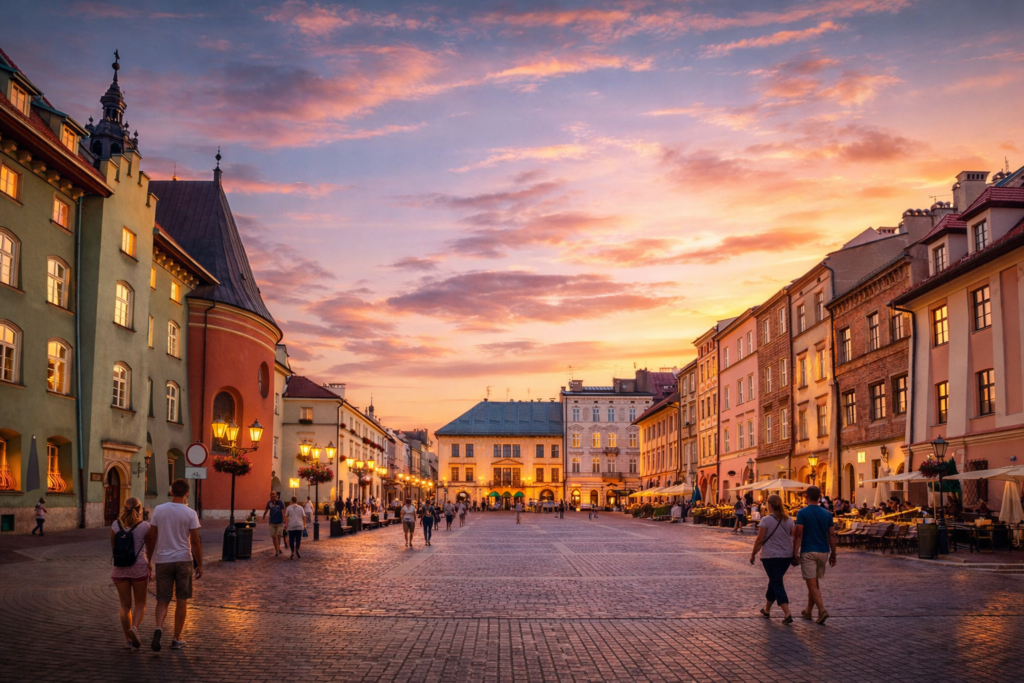
Small Market Square
A quieter square just behind St. Mary’s Basilica, offering a more relaxed atmosphere away from the crowds of the Main Square.
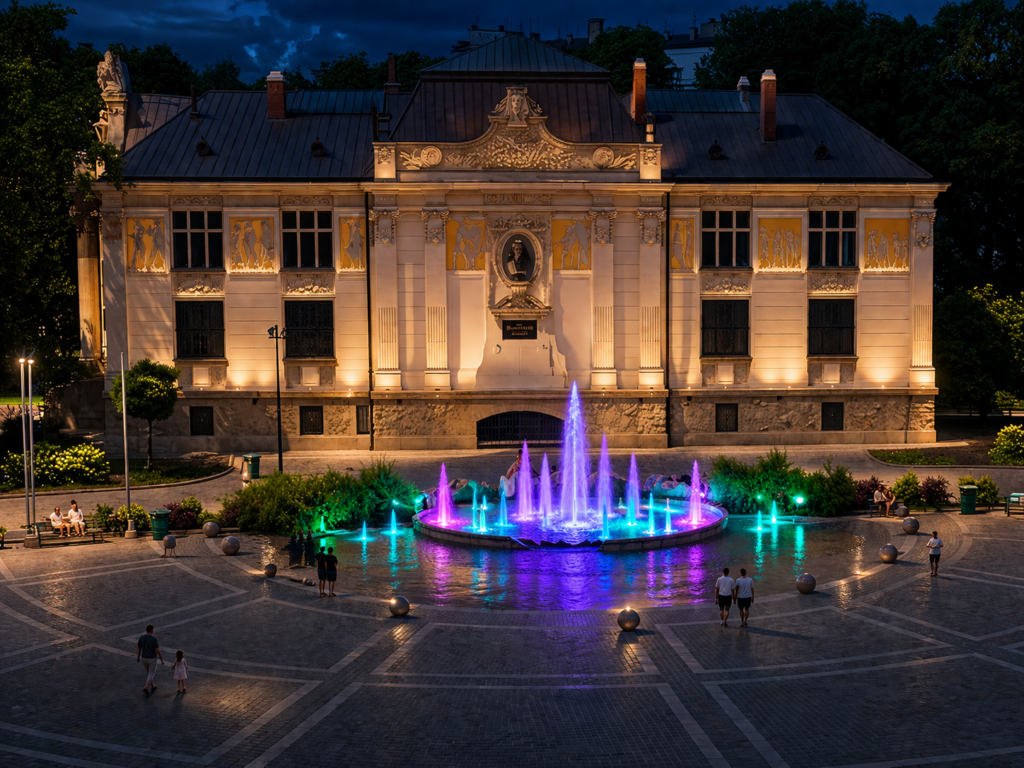
Szczepański Square
A lively square near the Old Town, known for its cafés, theatre scene and a more modern, local character.
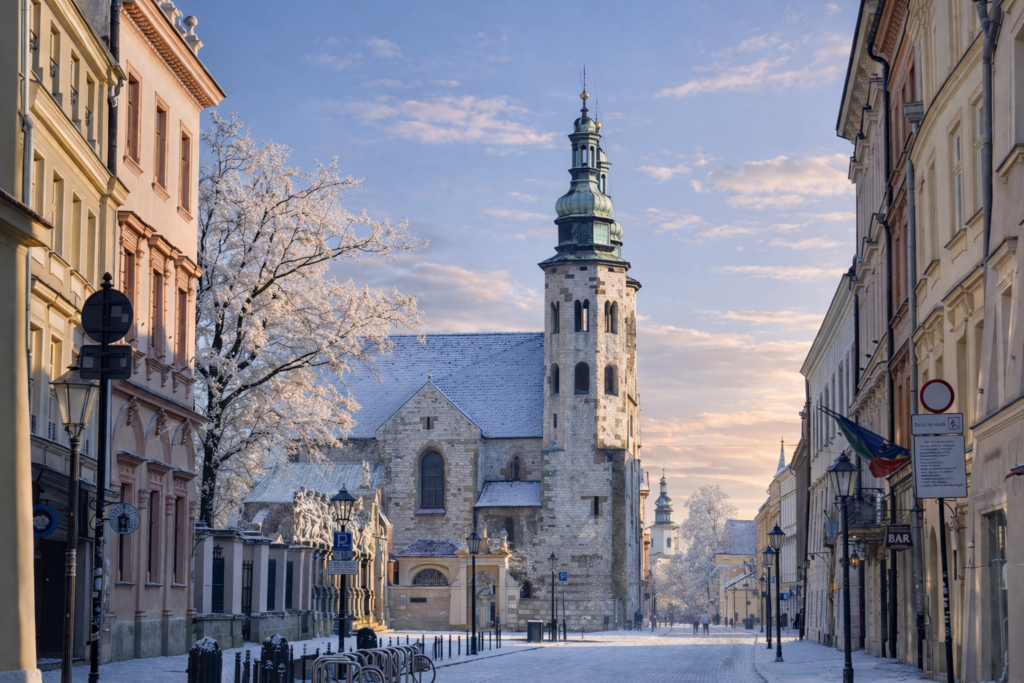
Grodzka Street
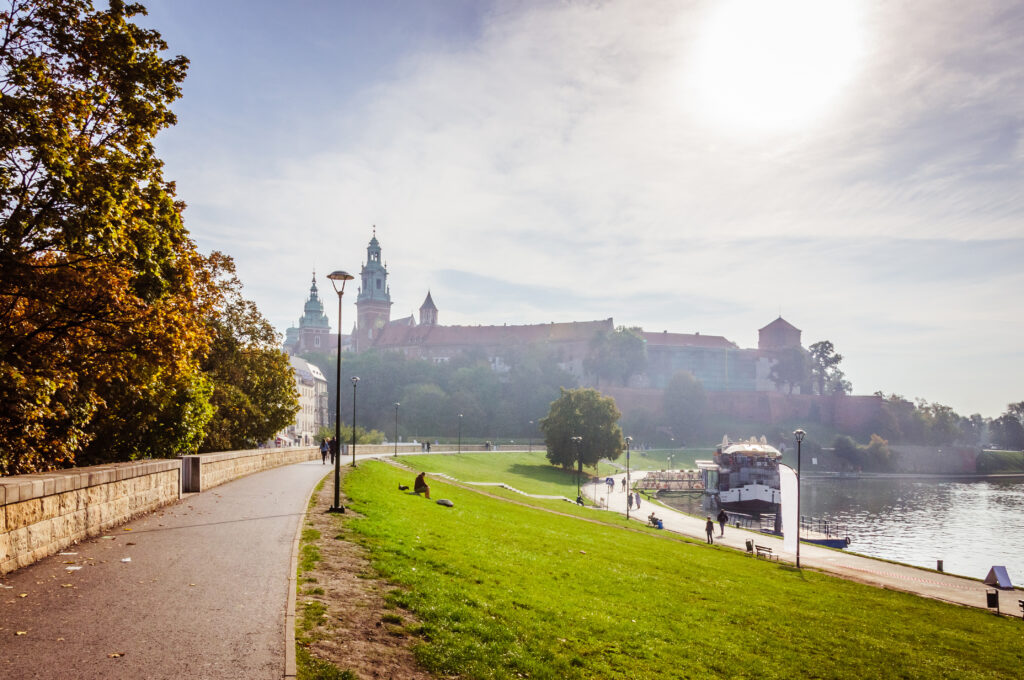
One of the oldest streets in Krakow, connecting the Main Square with Wawel and lined with historic buildings and churches.
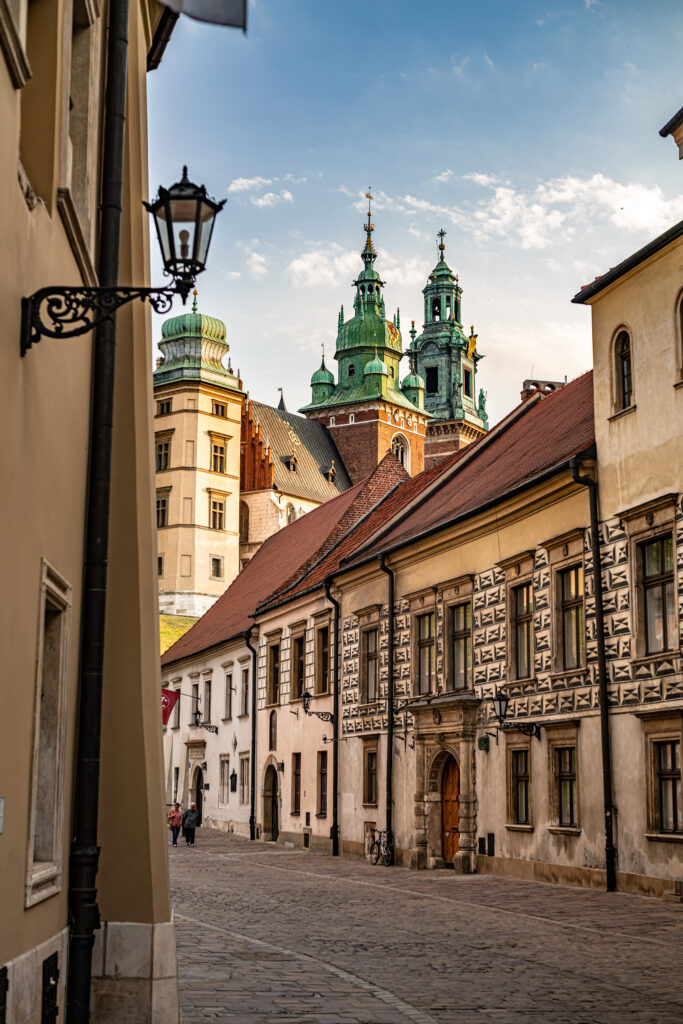
Kanonicza Street
A charming historic street near Wawel, known for its Renaissance houses and former residences of cathedral canons.
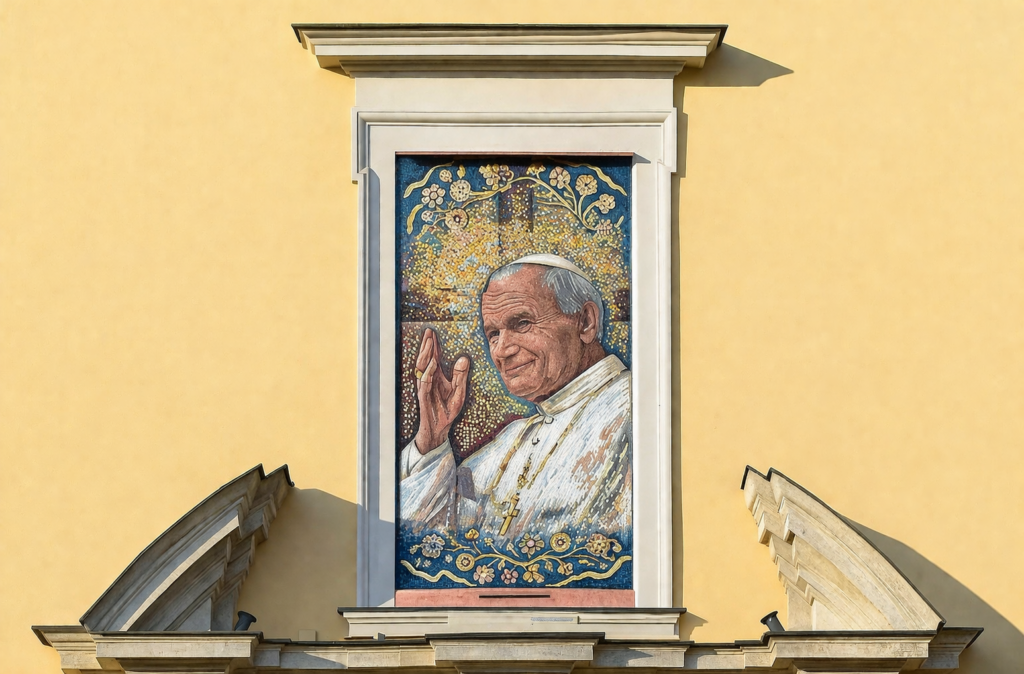
Papal Window
A symbolic place on Franciszkańska Street where Pope John Paul II spoke to crowds during his visits to Krakow.
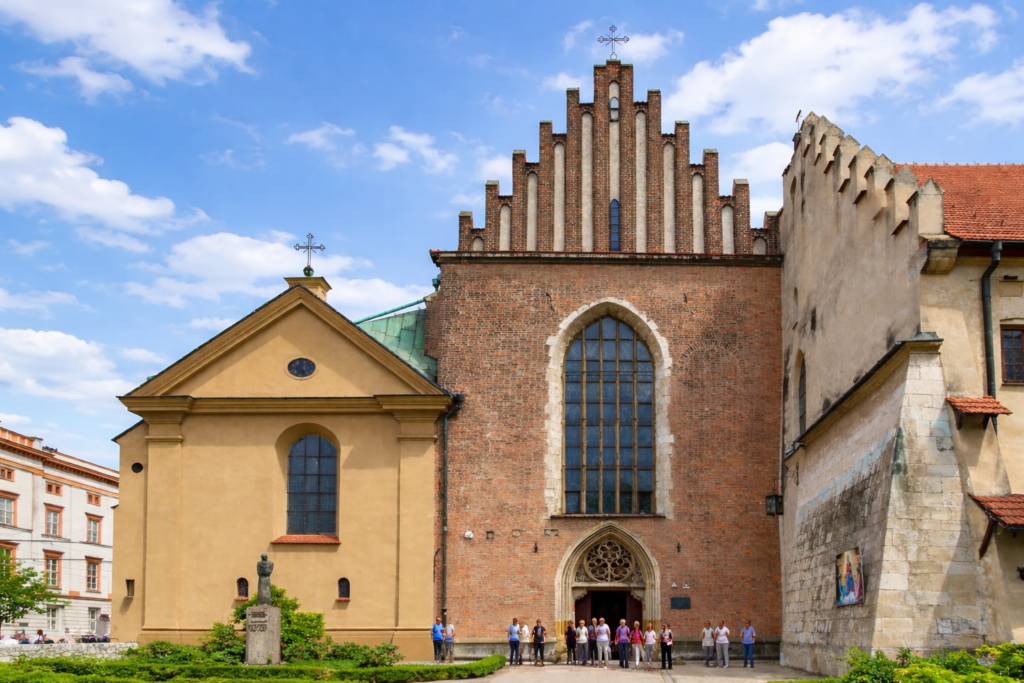
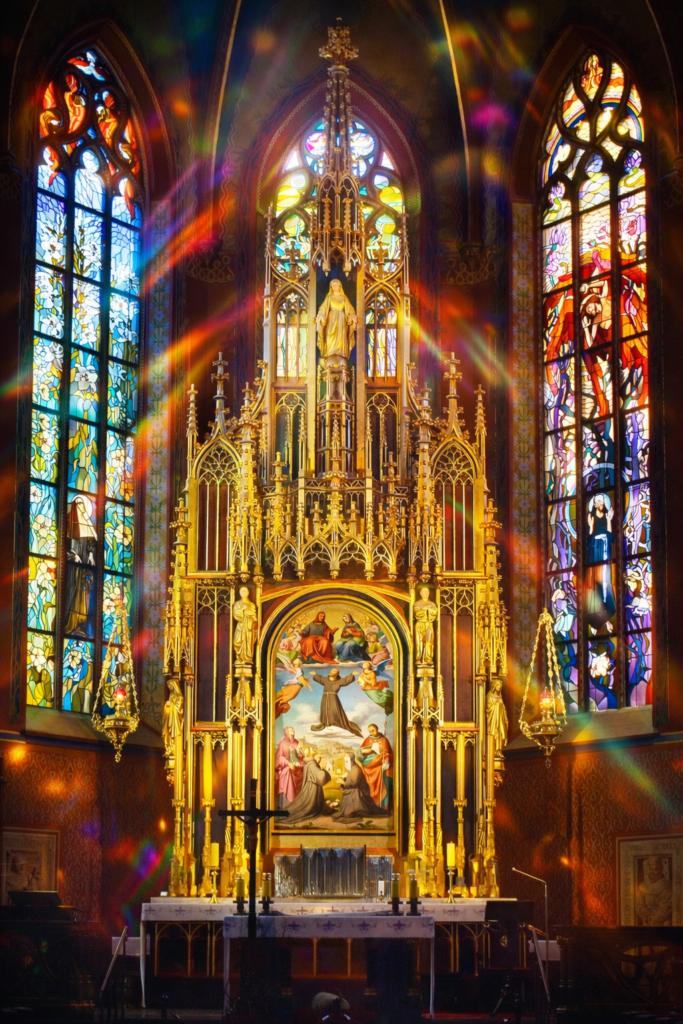
St. Francis Basilica
A historic church known for its unique interior and famous stained glass designed by Polish artist Stanisław Wyspiański.
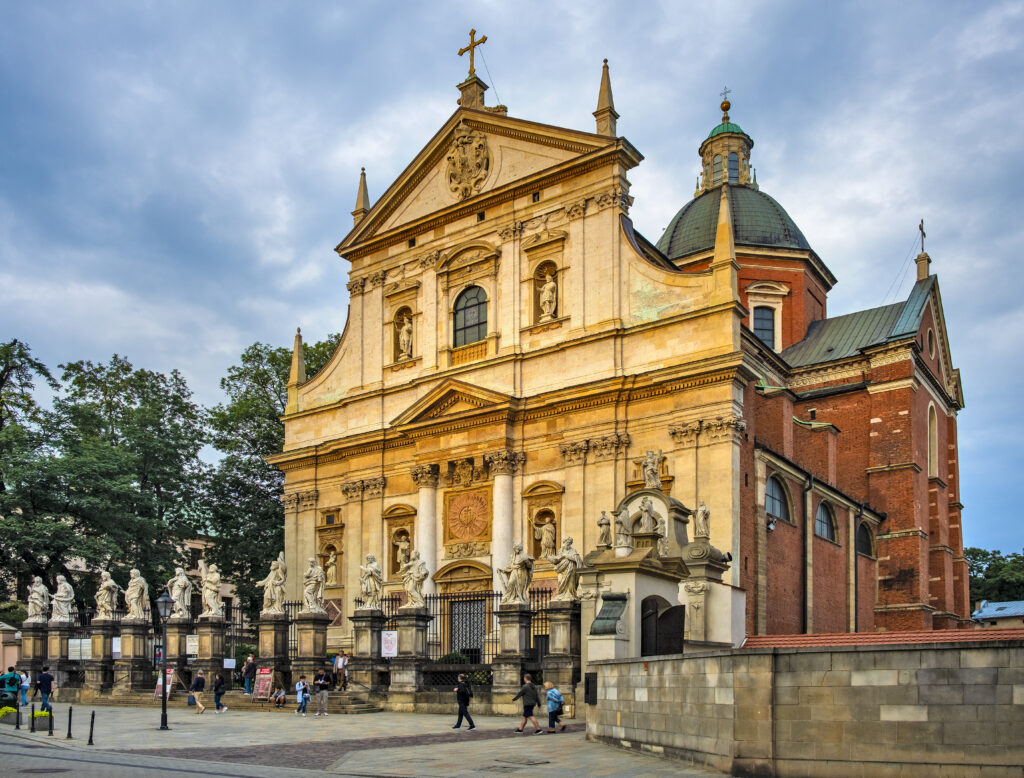
Church of St. Peter and Paul
A baroque church on Grodzka Street, recognised by the row of statues of apostles standing along its front fence.
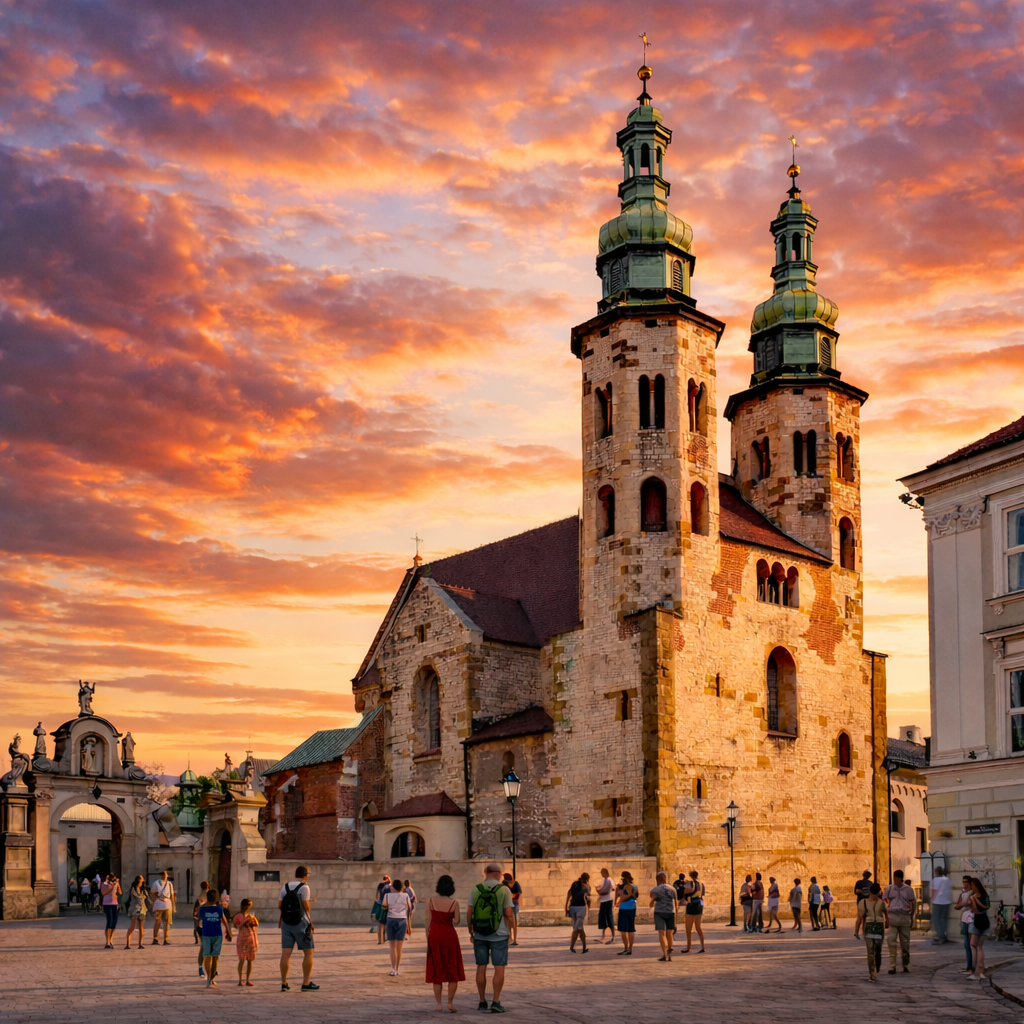
Church of St. Andrew
A rare Romanesque church in Krakow, originally built as part of the city’s defensive system in the medieval period.
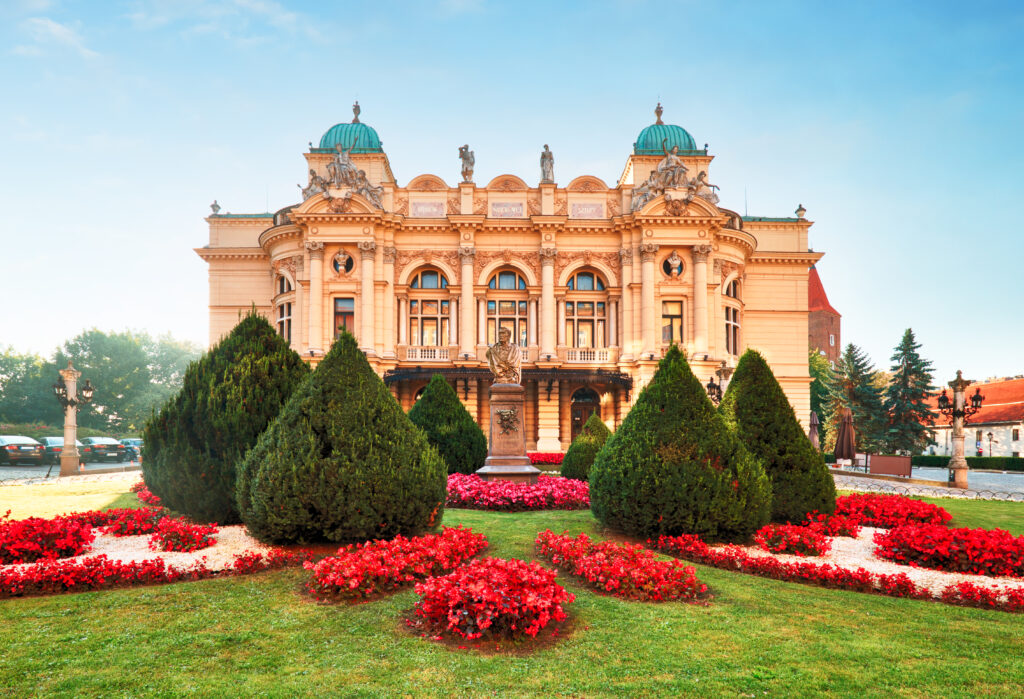
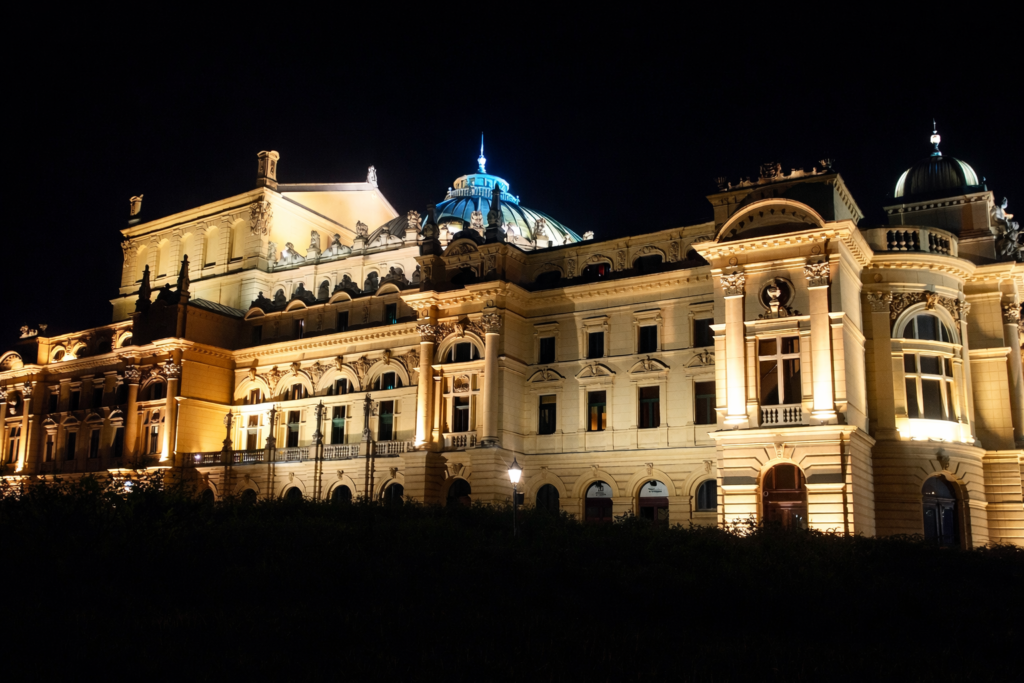
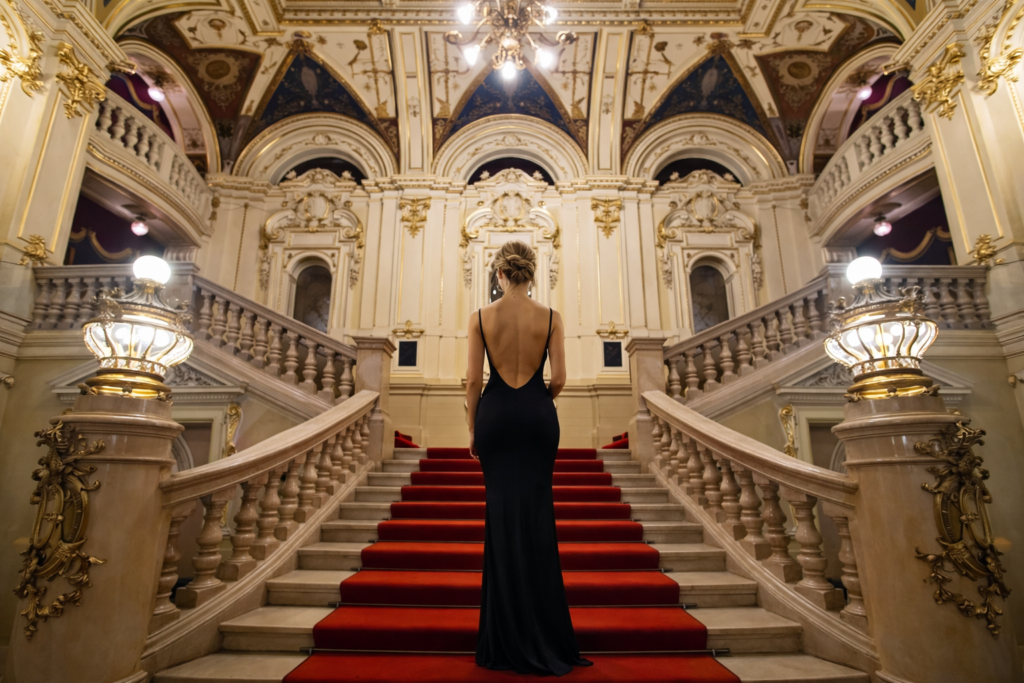
Juliusz Słowacki Theatre
A historic church known for its unique interior and famous stained glass designed by Polish artist Stanisław Wyspiański.
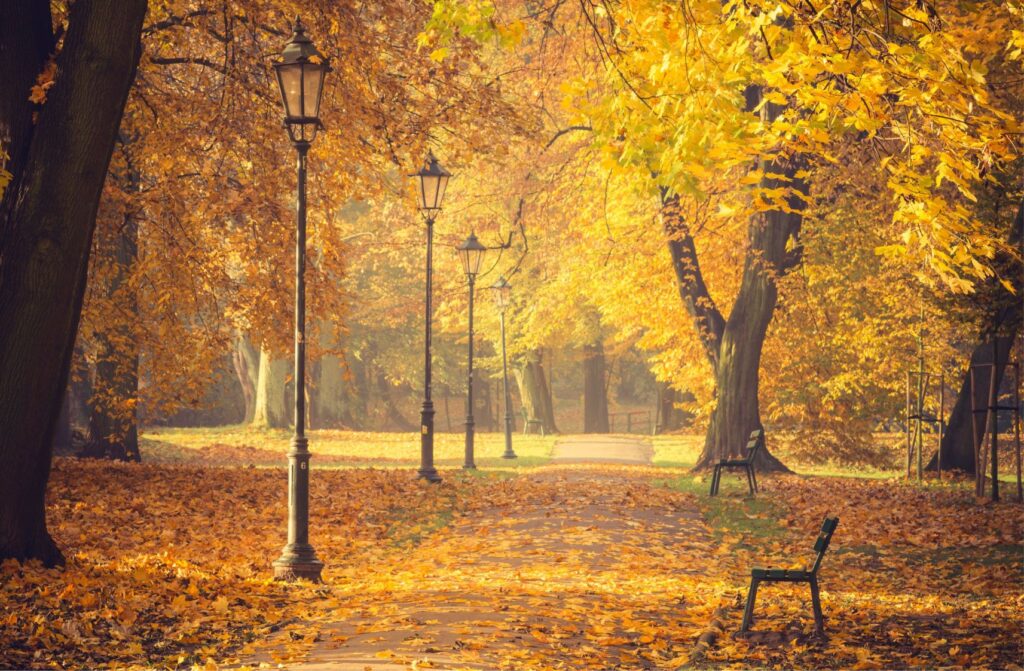
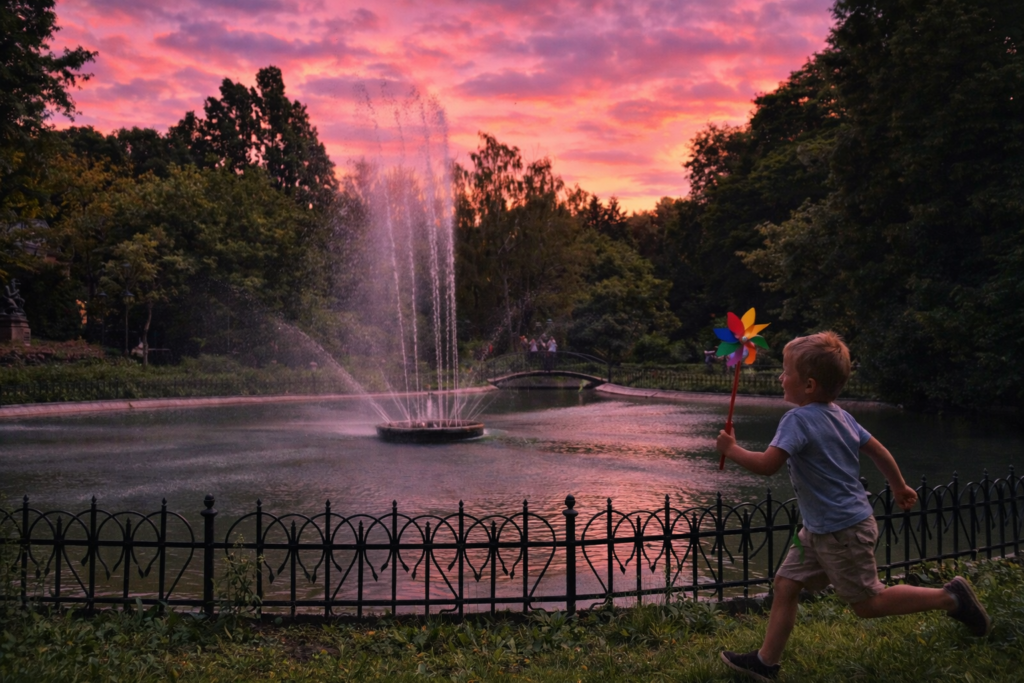
Planty Park
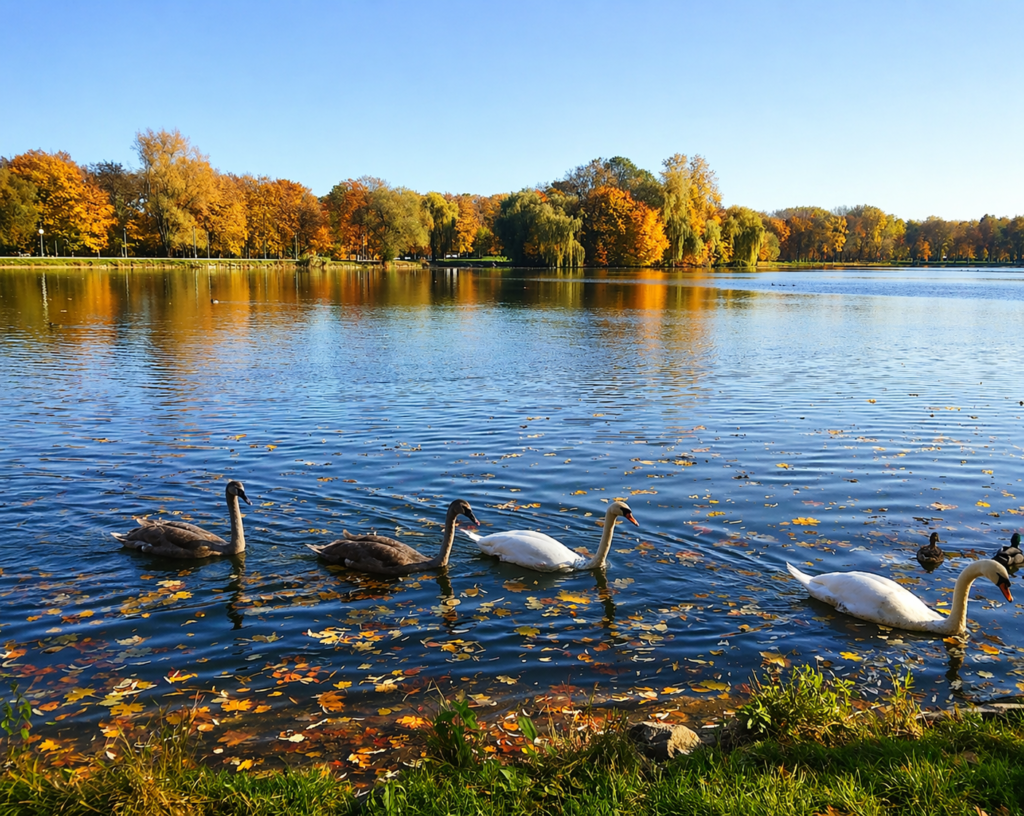
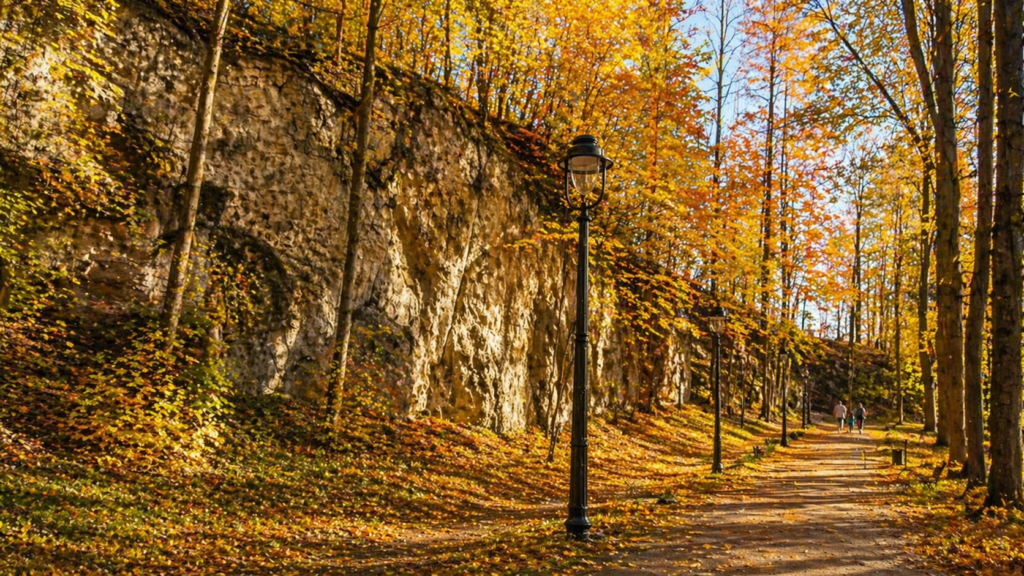
A green park surrounding the Old Town, offering a peaceful walking route between Krakow’s main landmarks and streets.
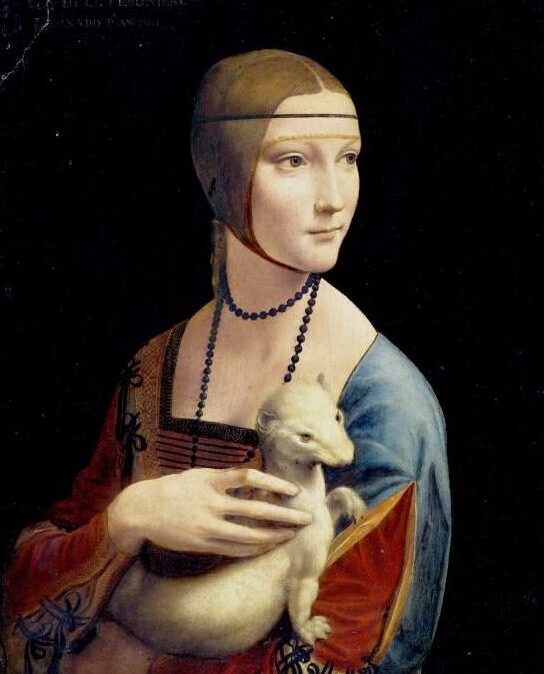
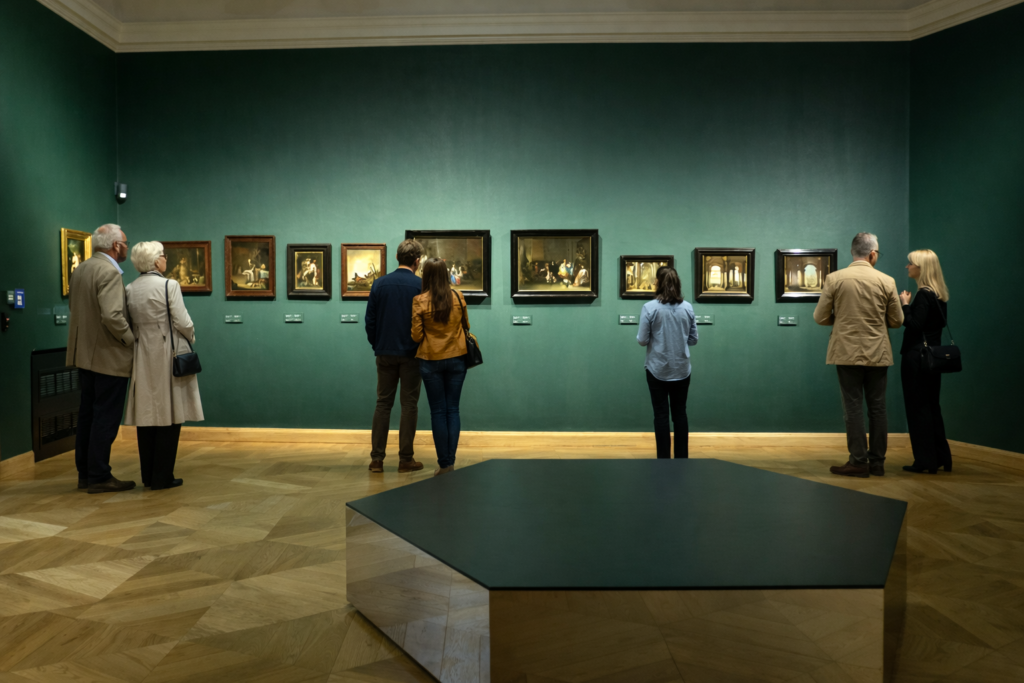
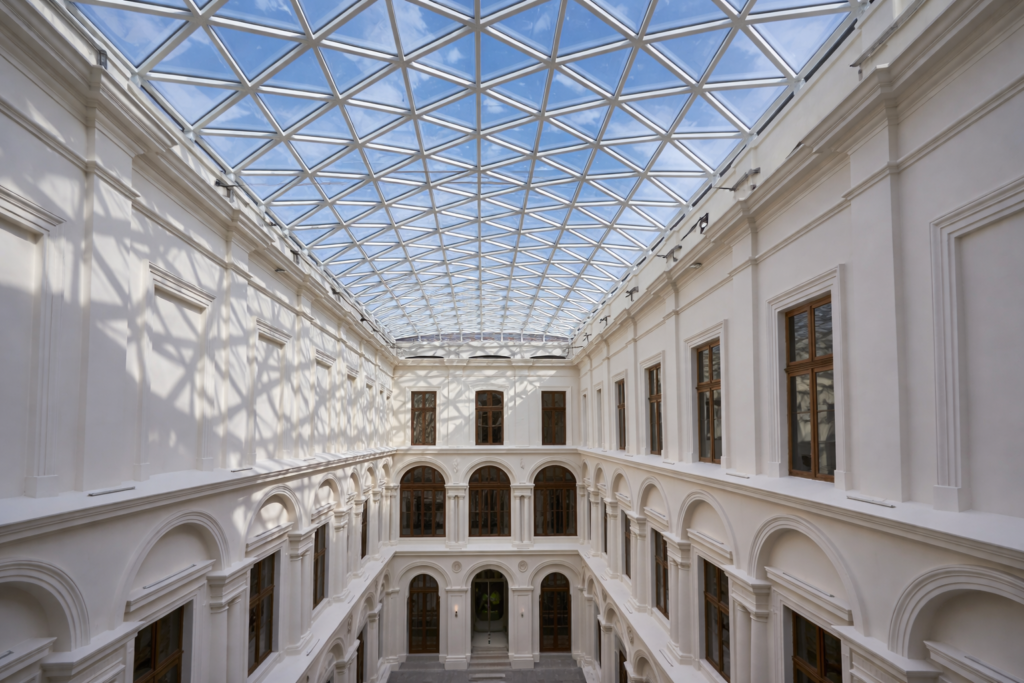
Czartoryski Museum
A renowned museum featuring one of Poland’s most valuable art collections, including Leonardo da Vinci’s iconic Lady with an Ermine.
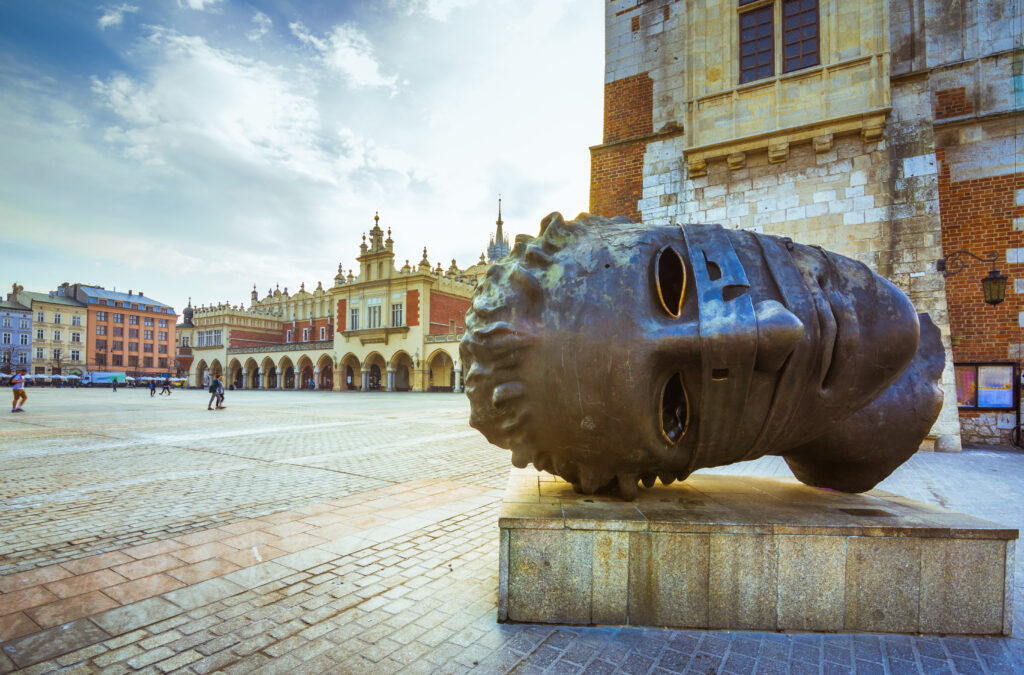
Eros Bendato
A well-known sculpture on the Main Square, often photographed and easily recognised as one of Krakow’s more unusual landmarks.
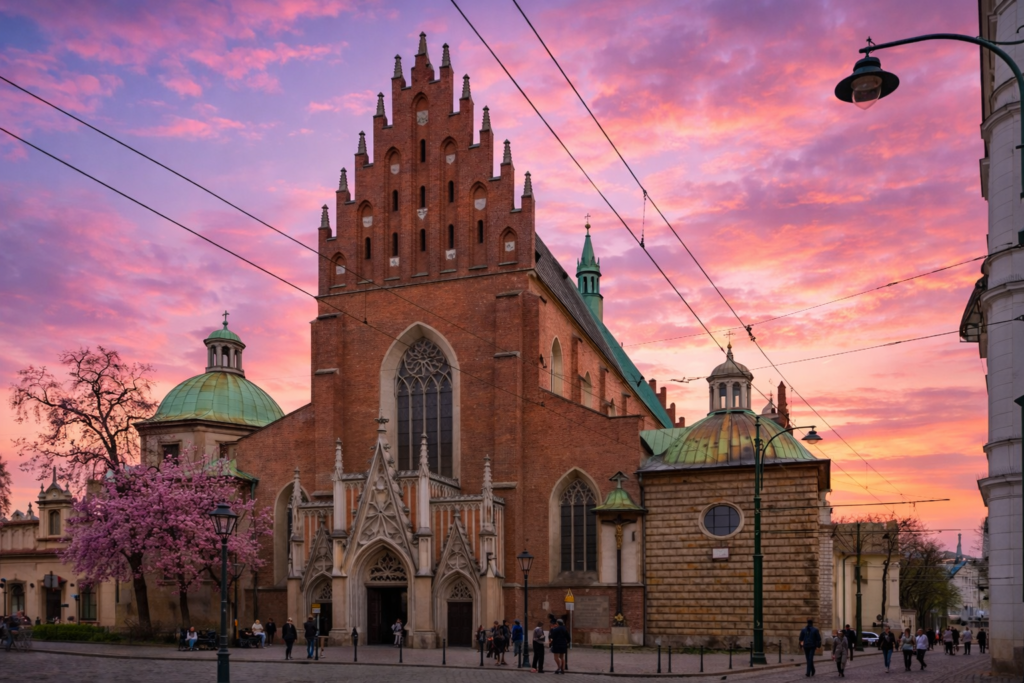
Dominican Basilica
A large Gothic church near the Main Square, known for its interior, history and importance in Krakow’s religious life.
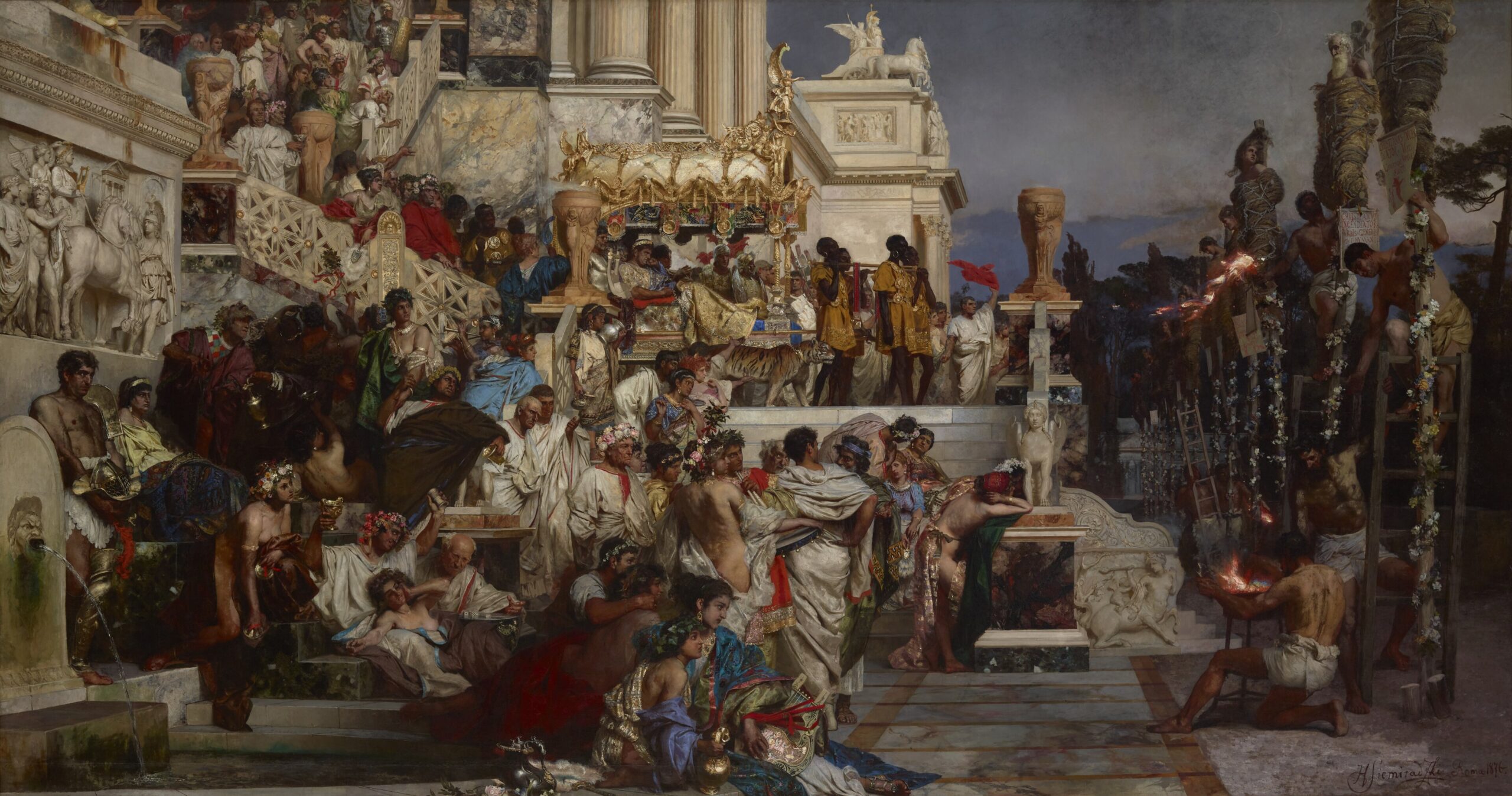
Gallery of 19th c. Polish Art
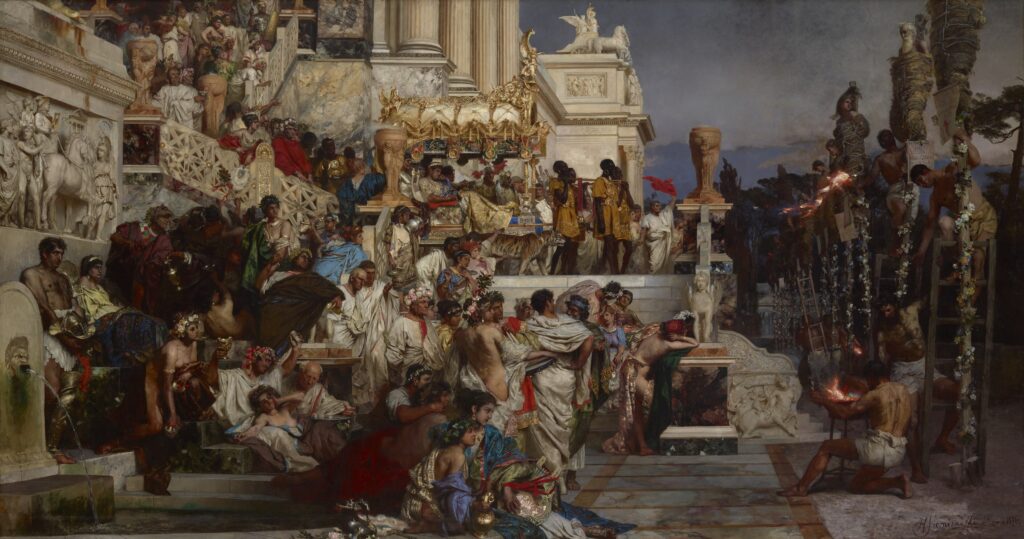
An art museum inside the Cloth Hall, featuring works by leading Polish artists from the 19th century.